


When Data Helps Save Lives: Leveraging Big Data Analytics in Healthcare
December 11, 2024
Introduction
Hospitals and other medical institutions must handle and evaluate a wide range of complex clinical data, such as patient’s health records and real-time monitoring, in order to deliver high-quality care. Big data is revolutionizing businesses across industries by facilitating real-time data analysis, which speeds up and improves decision-making processes significantly.
Businesses are able to make decisions more swiftly and efficiently now due to the real-time evaluation capabilities of big data analytics, which also uncover hidden insights that encourage further efficiency and creativity. By 2028, cloud computing and related technologies will no longer be simply an aspirational innovation, but will instead be a vital part of businesses, predicts Gartner, Inc.
Big Data has had arguably the greatest impact on the healthcare sector, which is moving from reactive to proactive care, as it has the unrivaled potential to transform operational procedures and care. Healthcare data analytics is revolutionizing healthcare decision-making and enabling doctors to make data-driven decisions for optimal outcomes by offering more accurate forecasts, customized treatments, and reliable operational data.
This blog analyzes how big data is transforming the healthcare industry with a focus on operational efficiency, data management, and personalized care. Medical professionals, IT professionals, health data analysts, medical researchers, healthcare professionals, and industry decision-makers who intend to use data-driven solutions to improve patient care, save costs, and streamline operations are all part of the target audience.
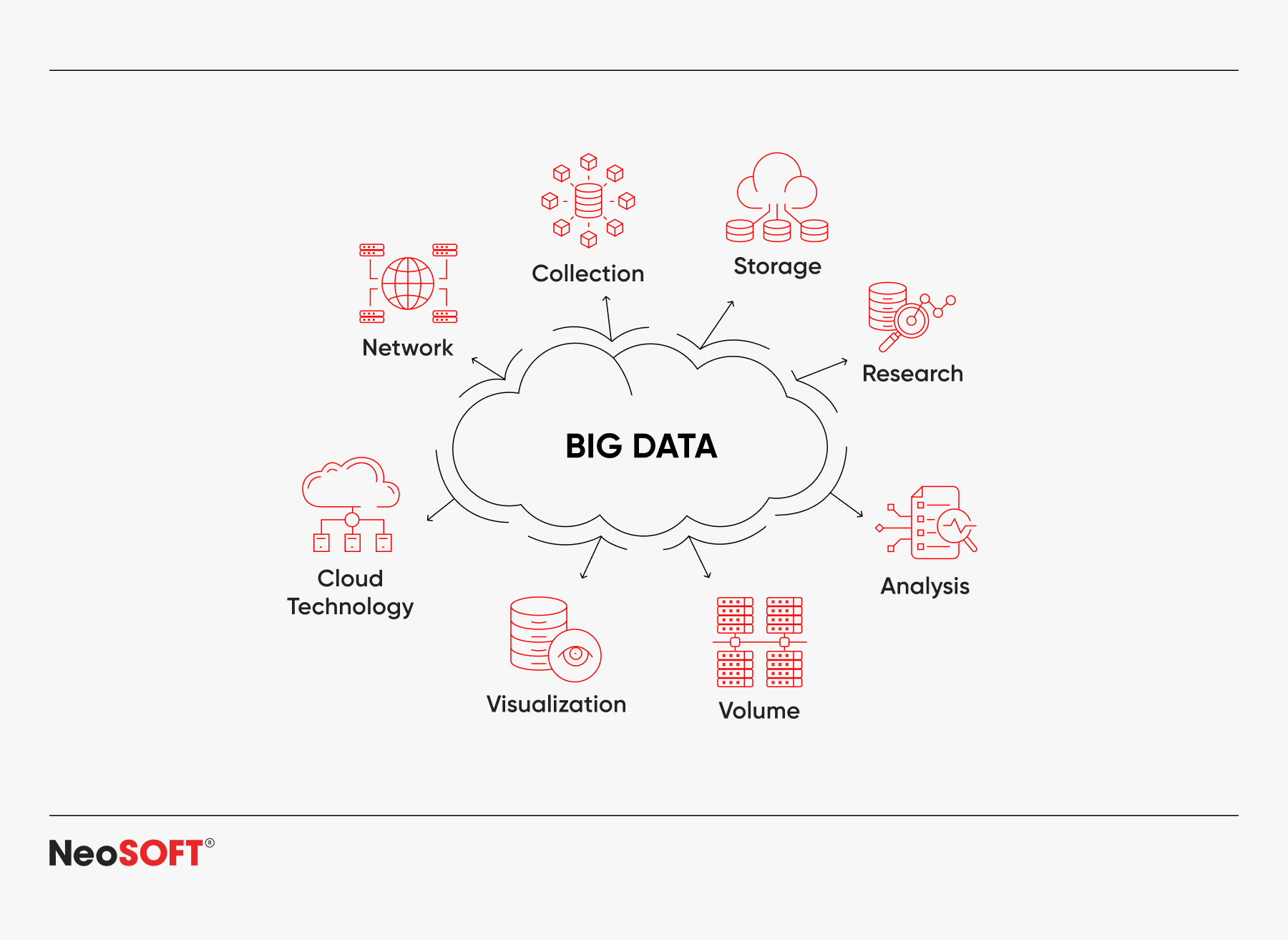
Defining Healthcare Analytics
In the context of healthcare, “big data” refers to the enormous and complex datasets generated by health systems from a range of sources, including real-time data from wearable technology like fitness trackers and smartwatches, genetic data, electronic health records (EHRs), imaging (MRIs, X-rays), and clinical trial data. Medical research is advanced, treatment outcomes are improved, and healthcare procedures are sped up because of effectively analyzing this enormous amount of data.
Two primary types of healthcare data exist:
- Structured data, including test results, treatment logs, and payment details, is highly searchable and well-organized.
- Unstructured data, such as audio recordings from consultations, photographs, and doctor’s notes, is more complicated and difficult to manage.
To identify insights that result in better decision-making, individualized therapies, and more effective healthcare services, health data – both structured and unstructured data – must both be assessed. The quality of service and overall systemic health system effectiveness may be greatly improved if this health data could be transformed into insightful knowledge. Thanks to big data analytics, healthcare clinicians can utilize predictive models to identify patterns in population health, anticipate treatment outcomes, and track the development of diseases. By analyzing both historical and current medical data, clinicians may confidently predict patient risks, facilitating early detection and better long-term healthcare monitoring and management. Healthcare professionals can anticipate patient demands thanks to this data-driven approach, which makes preventive care possible. Big data is crucial for customized healthcare since it allows for the customization of treatments according to each patient’s particular characteristics, such as genetic information, lifestyle decisions, and medical records. This method enhances treatments for optimal patient outcomes, while reducing side effects by developing more accurate and potent medications. In addition to improving patient safety, this customized care makes sure that treatments are as targeted and efficient as possible. Hospitals can optimize operations, improve resource allocation (for example, manpower and equipment management), and reduce operating expenses by implementing big data health analytics too. Finding inefficiencies, improving patient scheduling, and removing bottlenecks with information gathered by healthcare analytics improves operations and patient experiences. In the end, this modification improves overall hospital performance, increasing patient throughput and shortening wait times. Big Data analytics enables real-time patient monitoring using wearable devices and electronic medical records, providing timely insights for assessment and treatment plans. By helping physicians make better, faster decisions, this analytics-driven approach to healthcare data ultimately enhances patient care and reduces hospital readmissions. It also makes it possible for healthcare professionals to monitor and engage patients continuously, guaranteeing prompt action when required. Big Data is used by the pharmaceutical sector to evaluate large datasets from research projects and clinical trials, which expedites the development of new drugs. Due to the support it provides in discovering potential medications, assessing drug efficacy, and anticipating outcomes, innovative drugs have a better success rate and a faster time to market. Furthermore, this data-driven approach lowers the overall cost of creating new medications while improving patient access to essential therapies. Healthcare systems routinely gather a variety of data types, including imaging, wearable technologies, medical systems, and electronic health records. It is challenging yet essential to integrate this complex data from various formats and outdated systems into one central system in order to guarantee data accuracy and generate comprehensive insights. Critical information could be missed or lost in the absence of smooth integration of historical data, which could have an impact on operational effectiveness and treatment outcomes. The development of big data solutions requires substantial investments in scalable infrastructures, skilled employees, and cutting-edge data storage and processing equipment. Many healthcare businesses struggle to effectively embrace Big Data due to a lack of resources and knowledge in cloud computing and data science. This lack of knowledge may also result in the data being underutilized, which would reduce its ability to drive important decisions. When various medical equipment, systems, and technologies regularly experience difficulties connecting to one another, interoperability issues occur. Platform standardization and coherence are necessary to ensure that many data sources may coexist peacefully, which is essential to an efficient Big Data ecosystem. In the absence of interoperability, healthcare providers run the danger of establishing data silos, impeding holistic clinical care, and postponing important discoveries that could enhance medical care. Companies in the medical industry must protect the privacy of their patients and adhere to regulations such as the GDPR and HIPAA. Security must be the top priority for healthcare firms since privacy violations can seriously harm their reputation and legal position. The enormous amount of personal data involved in large-scale data analysis makes it susceptible to cyber attacks, as a result of which strong security measures are required to protect patient privacy. To improve Big Data analytics in the health sector, artificial intelligence and machine learning are crucial because they provide advanced tools to examine large datasets more rapidly and accurately. In order to make health information technology anticipate patient decline before it occurs, AI and ML algorithms can evaluate real-time information about patients from wearable medical devices, EHRs, and monitoring systems. Healthcare professionals can improve patient outcomes and lower the likelihood of catastrophic occurrences by recognizing and acting quickly on early warning indications. Applications powered by artificial intelligence can automate key administrative tasks including data management, insurance claim processing, and appointment scheduling. Medical businesses, hospitals, and healthcare providers can save an enormous amount of time and resources by minimizing or doing away with the need for traditional data entry and processing. This enables them to focus on improving the standard of patient care. To increase the accuracy of diagnoses, deep learning algorithms can evaluate clinical data and medical imaging (MRIs, X-rays). Since these models frequently beat conventional diagnostic techniques in terms of speed and accuracy, they can identify illnesses like cancer, heart issues, and neurological abnormalities considerably earlier on. To improve medical care and make better judgments, healthcare providers can use big data analytics. With access to solid data and a multitude of patient information, doctors can monitor patients’ progress, find treatments that work, and immediately adjust treatment plans. Such steps can greatly improve health outcomes. Big Data insights can also help with preventative care plans that enhance patients’ long-term health. Real-time data visualization and analysis enable healthcare providers to take prompt, informed action. Whether a patient’s condition changes or hospital processes need to be optimized, big data analytics supply the data required for prompt decisions that enhance patient safety and operational effectiveness. Clinicians can prioritize urgent situations and expedite daily tasks for quicker, life-saving actions thanks to this quick access to insights. Businesses in the healthcare industry can identify waste and inefficiencies by using big data analytics. Operational data analysis can help healthcare companies and medical institutions reduce overall healthcare expenditures without compromising service quality. They might also pinpoint areas that require improvement, reduce unnecessary expenditures, and more prudently distribute resources – all of which help create a more financially sustainable healthcare system. Big Data in healthcare helps doctors customize treatments to meet the needs of each patient through preventative care and tailored treatment. More success is achieved with personalized treatments that include the patient’s medical background, habits, and present state of well-being. Professional medical practitioners can also deliver more proactive and empathetic care by using Big Data analytics to anticipate and avoid certain health issues. The rapidly expanding discipline of telemedicine has made it possible for people to consult with medical professionals from the convenience of their own homes. To handle and assess this patient data and provide doctors with useful insights, data analytics is necessary. When paired with internet monitoring devices, it lets medical professionals access patients’ latest medical records while they remain in their homes, which decreases hospital visits and enhances treatment accessibility, particularly in underprivileged areas. The rising popularity of smart wearable devices and IoT gadgets, including smartwatches and fitness trackers, is making it simpler to continuously gather real-time medical data. These devices track a person’s vital signs, levels of activity, and other relevant health information. This information, when analyzed, helps manage chronic conditions, facilitate early intervention, and provide important information for personalized medical care. A transparent and secure method of sharing health information is beginning to emerge with blockchain technology. Blockchain addresses interoperability and security issues by utilizing decentralized and encrypted systems that permit easy exchange amongst patients, insurance organizations, and health care professionals while guaranteeing patient data protection and integrity. Early identification of diseases including cancer, heart issues, and neurological disorders is now possible thanks to the development of AI-powered predictive analytics. By analyzing large datasets, AI systems can identify patterns and warning indicators earlier than traditional methods, enabling preventative care and reducing the burden of diseases that appear later in life. Companies can obtain deeper insights from clinical data, patient records, and operational measures by utilizing Big Data analytics in healthcare. This results in better outcomes overall, as a result of the customized treatment regimens, enhanced resource management, and greater patient health.
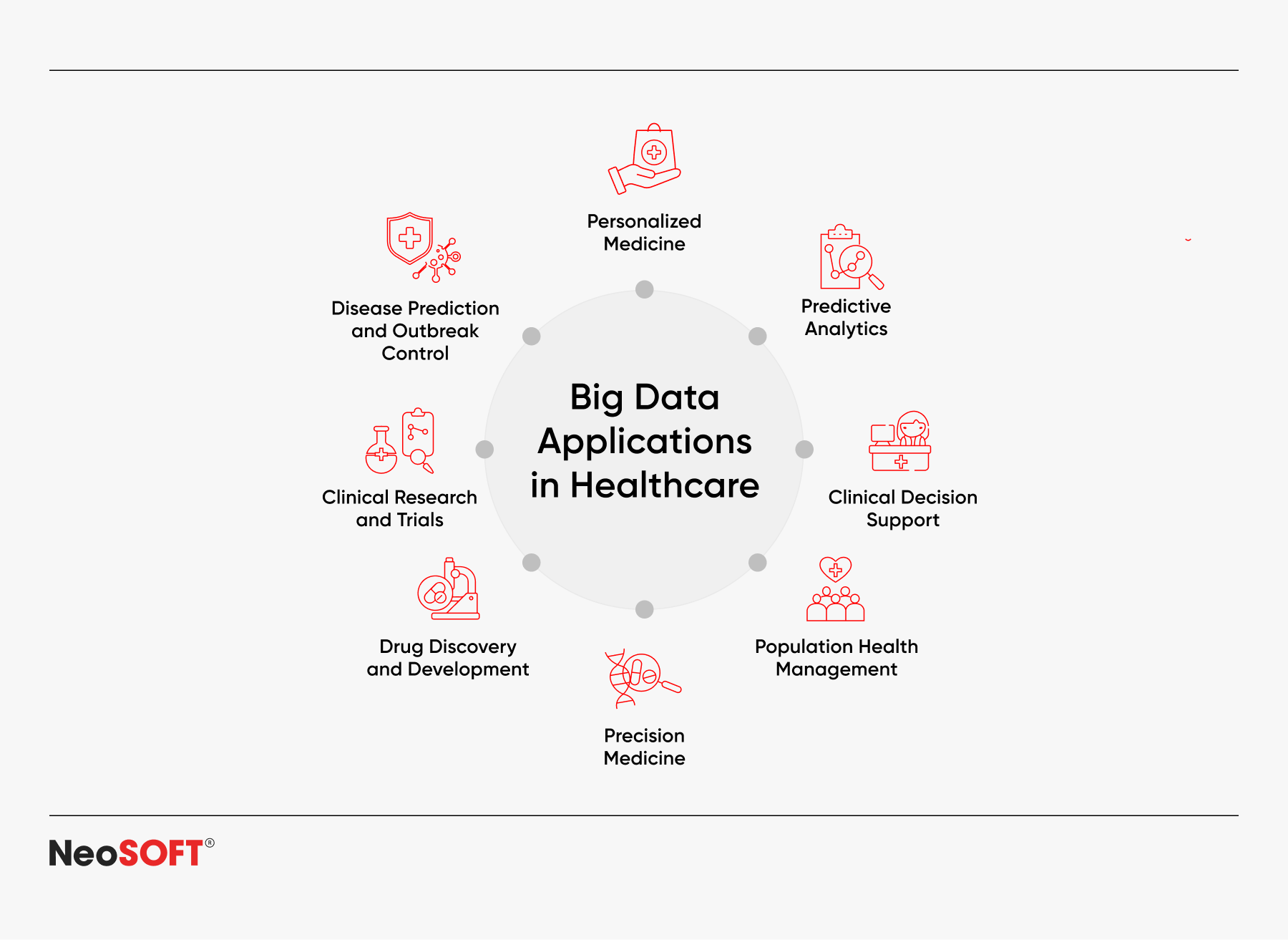
Predictive Analytics
Personalized Medicine
Operational Efficiency
Patient Care Optimization
Drug Research and Development
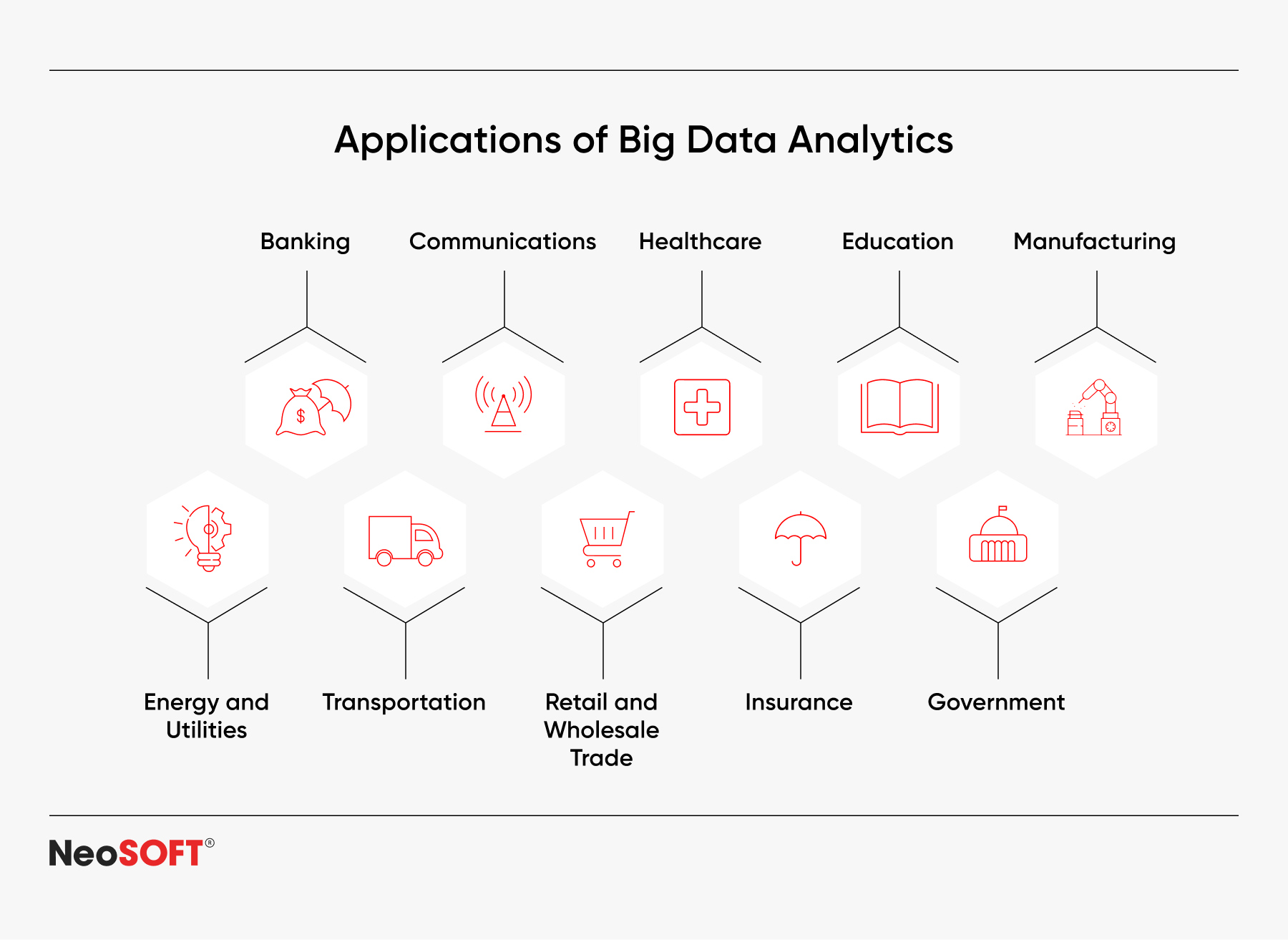
Challenges of Using Big Data in Healthcare
Data Integration
Infrastructure and Expertise
Interoperability
Data Privacy and Security
The Role of AI/ML in Big Data Analytics
By sorting through vast volumes of complex health data, producing actionable insights, identifying trends, and projecting results, these tools can assist healthcare providers in making well-informed decisions faster than they might with more traditional methods.Predicting Patient Deterioration
Automating Administrative Processes
Boosting Diagnostic Accuracy
The Advantages of Healthcare Data Analytics
Enhanced Clinical Outcomes
Quicker Decision-Making
Cost Reduction
Better Patient Experience
What the Future Holds for Data Analytics in Healthcare
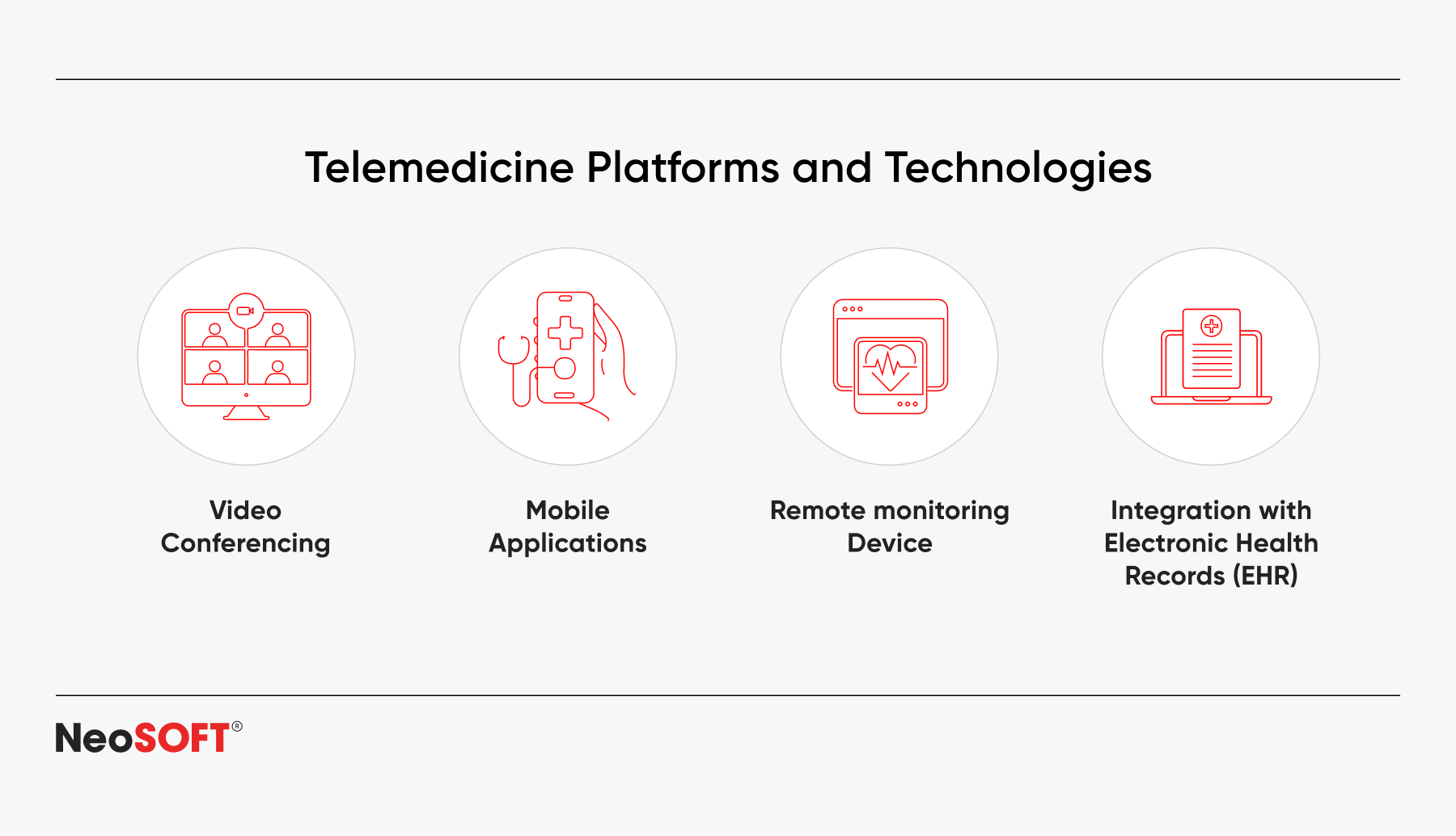
Telemedicine
IoT and Smart Wearable Devices
Blockchain
AI-Powered Analytics
Conclusion
Whether through enhanced operational procedures, customized treatment, health information management or predictive analytics, big data is revolutionizing the provision of healthcare by making it more proactive and data-driven. Big Data-using companies will be more equipped to adapt to the ever-evolving requirements of the medical and healthcare industry as technology develops, enhancing both patient care and corporate efficiency.
Contact us at info@neosofttech.com now to find out more about how our healthcare IT solutions can help your firm utilize big data to its full potential. Allow us to assist you on your path to healthcare data analytics for improved care, increased operational effectiveness, and more informed decision-making.