The Future of Software as a Service: Trends and Innovations

Introduction

The SaaS model, which stands for Software as a Service, has completely changed how people and businesses use software by allowing on-demand access to it through the Internet. By avoiding the significant costs and challenges of installing, upgrading, and maintaining on-premise software, organizations may quickly acquire dependable software solutions with minimal infrastructure and administrative overhead.
 
Software as a Service can be defined as a cloud delivery model that provides resources to boost output, optimize sales processes and workflows, and promote improved collaboration. This has emerged as an essential component of an effective business model for both small and large businesses. SaaS continues to advance by incorporating cutting-edge technology as companies adjust to the rapidly shifting demands of the digital world.
 
Modern SaaS apps now offer unprecedented levels of efficiency, enhanced security, and personalization thanks to these advancements, enabling providers to offer highly customized experiences to industry sectors across the board. Additionally, SaaS applications are starting to become crucial in sustaining a team’s activities and productivity beyond geographic borders as the demand for remote and hybrid work rises.
 
In this blog article, we shall explore the latest developments and trends influencing SaaS, including low-code platforms and multi-cloud tactics. SaaS vendors, IT experts, and even business analysts and executives can all benefit from the content of this article. We’ll look at the issues that SaaS service providers and users encounter, like scalability, data security, and client retention, and offer solutions.
 

Decoding SaaS

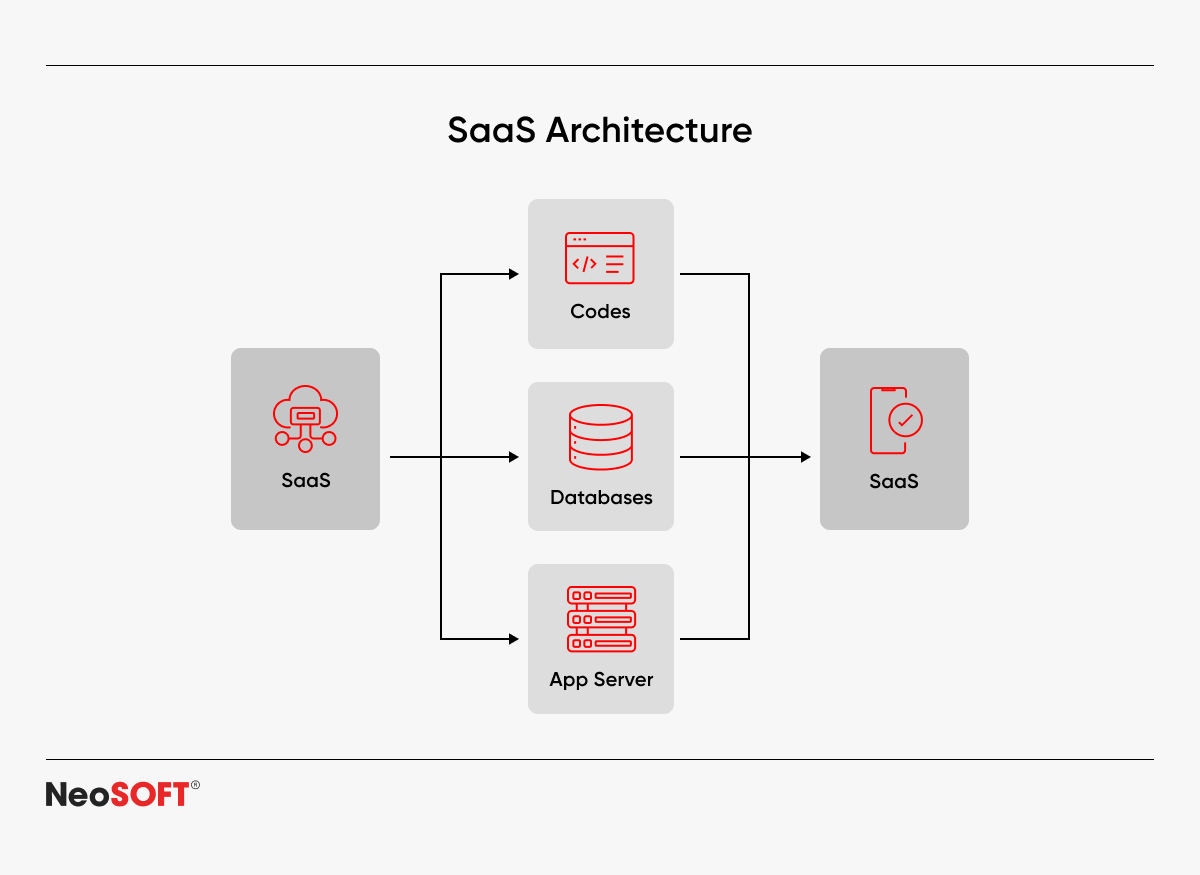
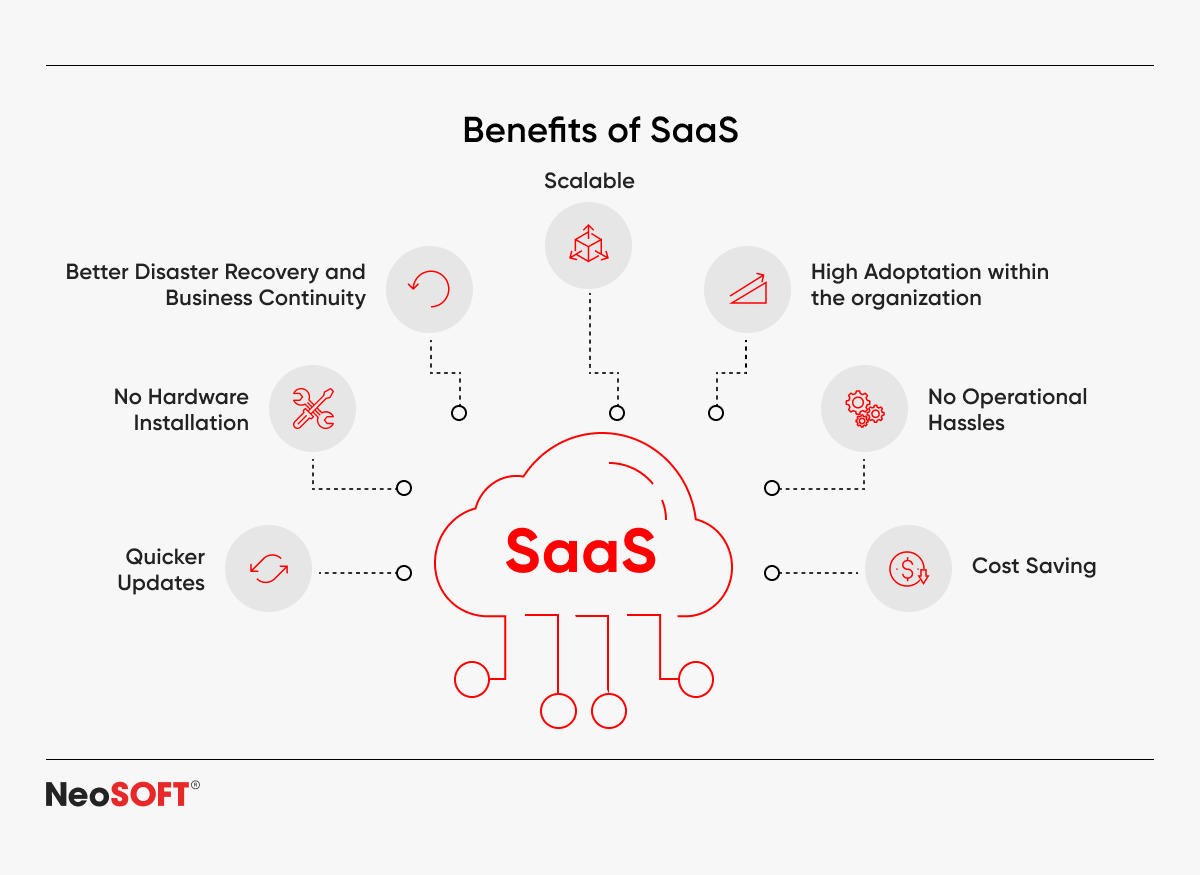
Clients can now access software from anywhere via cloud-based SaaS development services, eliminating the need for on-premises software or for installing or maintaining it on their own devices. Subscription models are usually used to deliver SaaS applications rather than traditional software licenses, which makes them affordable and simple to scale as business needs change.
 
Modern SaaS applications offer scalability, cost savings, and provider-managed automatic upgrades, which free up human resources and lessen the need for internal IT assistance. SaaS offerings give businesses continuous access to all the latest versions and functions without adding complexity through features like automatic backups, secure cloud access, and smooth updates.
 
SaaS products are widely utilized in a variety of industries, including retail, healthcare, manufacturing, and finance. By implementing SaaS development services, companies of all sizes may increase productivity, streamline processes, and foster client loyalty. As it develops and expands, SaaS architecture is becoming an essential part of the modern business environment, helping companies stay flexible, competitive, and future-ready.
 

Trends Influencing SaaS Development

Artificial Intelligence and Machine Learning

Innovation in SaaS solutions is being supported further by machine learning and artificial intelligence, which greatly enhance automation, personalization, and utility. By combining machine learning with artificial intelligence, SaaS companies can usually evaluate enormous quantities of data in real-time, giving organizations useful knowledge that helps them make better decisions.
 
One powerful technology that helps companies foresee trends and prevent potential issues is predictive analytics. For example, AI-powered sales data can help teams prioritize leads more effectively. AI-powered consumer data also allows businesses to personalize products and services, which boosts customer loyalty and satisfaction.
 
Through chatbots and automated assistants, AI is also revolutionizing customer service by offering 24/7 assistance for routine inquiries and freeing up employees to deal with more complex issues. Thanks to this technology, SaaS programs may now leverage user behavior to automate processes and customize interfaces.

Low-Code and No-Code Platforms

Now, low-code and no-code solutions are revolutionizing SaaS with their simple drag-and-drop interfaces that allow users with little or no coding experience to construct custom SaaS apps. This accessibility speeds up creativity and problem-solving by empowering multiple users and teams from different departments to independently develop unique applications.
 
Among the many advantages of these platforms is their ability to accelerate software development, which enables businesses in various industries to rapidly react to shifting consumer needs and introduce innovations. This is especially crucial in industry sectors like finance, retail, and healthcare that undergo constant change.
 
While improving SaaS’s accessibility, flexibility, operational effectiveness, and innovation across a variety of industries, low-code and no-code approaches allow non-developers to take part in digital transformation.

Multi-Cloud and Hybrid Cloud Computing

For flexibility, endurance, and cost-effectiveness, companies are increasingly implementing hybrid cloud and multi-cloud computing solutions as SaaS develops. Hybrid cloud mixes on-site and private or public resources, enabling enterprises to make use of the benefits of many platforms without depending on a single cloud service provider, while multi-cloud uses numerous providers.
 
The flexibility to keep sensitive data on private networks while utilizing public clouds for scale and to avoid vendor lock-in, which lessens dependency on any one cloud provider or application service provider alone, are two important advantages. By choosing the best cloud providers for each demand, these tactics help increase cost-effectiveness.
 
As businesses look for scalable, dependable, and flexible cloud infrastructure solutions for the future, SaaS developers must support multi-cloud and hybrid cloud solutions.

Data Security and Compliance Measures

As the use of SaaS increases, strong data integrity, security and compliance protocols are becoming more and more crucial. Blockchain technology, data encryption, and multi-factor authentication are some of the advanced security measures that providers are increasingly employing to prevent breaches and unauthorized access to critical data.
 
It is essential to follow regulations like the California Consumer Privacy Act (CCPA) and the General Data Protection Regulation (GDPR) since data protection laws are constantly changing on a worldwide scale. In addition to protecting consumer information, following these rules ensures credibility and confidence.
 
Data protection is becoming more and more important in the digital world of today, and SaaS service providers are responding by giving secure and compliant cloud solutions a first priority.

Vertical SaaS Solutions

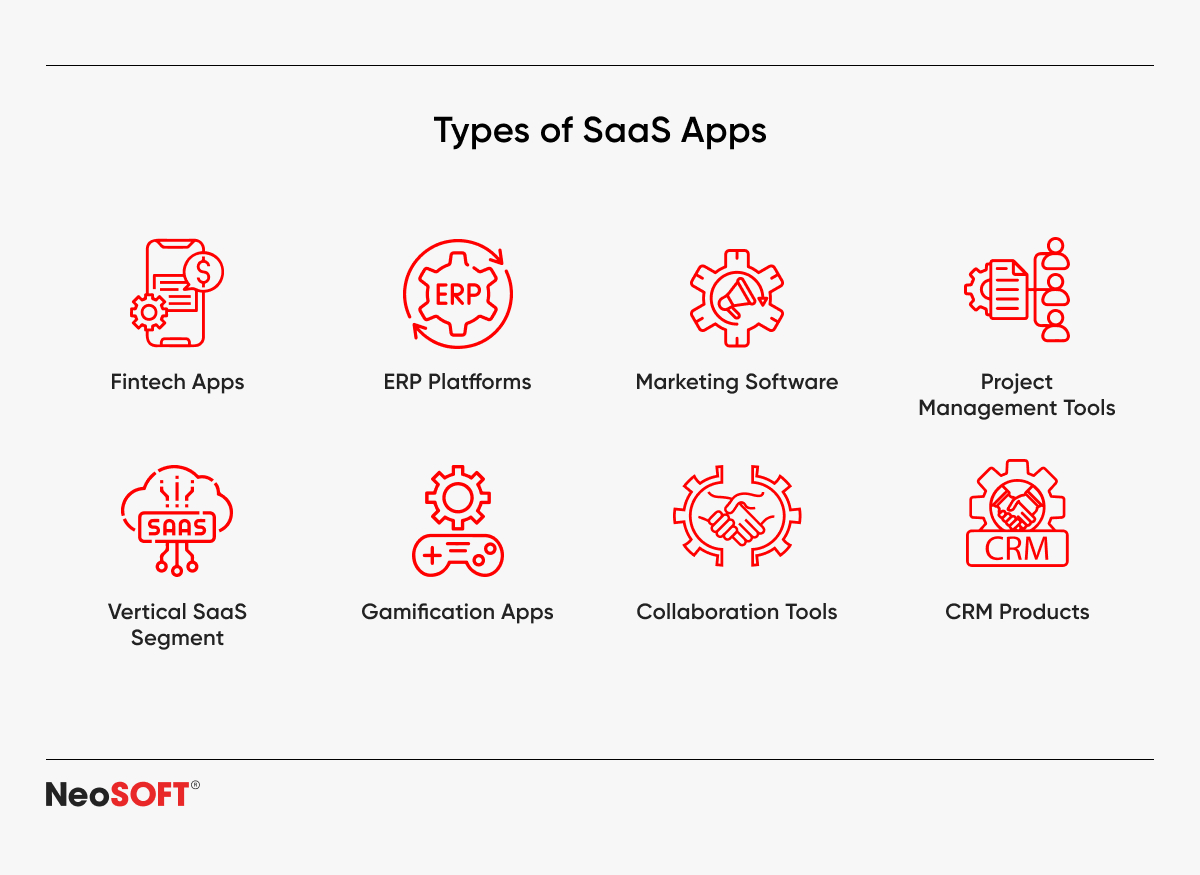
Applications created specifically to satisfy the demands of particular sectors, such as healthcare, banking, and retail, are known as vertical SaaS solutions. Vertical SaaS, in contrast to general-purpose SaaS, concentrates on specialized functions and development services that cater to the unique challenges and requirements of a wide range of industries within each sector.
 
These customized solutions differentiate themselves by providing users with more relevance and value by offering industry-specific tools and workflows. For instance, a financial SaaS system might provide sophisticated compliance reporting, while a healthcare SaaS platform may provide HIPAA-compliant access management and data storage.
 
Businesses in specialized industries can improve results and optimize operations with this specialized strategy, which makes vertical SaaS software development services a more desirable choice.

Microservices and API-First Development

SaaS is being reinvented by microservices frameworks and API-first development, which provide scalability, flexibility, and smooth integration. Microservices reduce disruptions and increase resilience by dividing applications into smaller and distinct components that may be scaled, launched, or upgraded separately.
 
Thanks to the modularity of microservices, developers can work on particular features, such as alerts or payments, without having any effect on the application as a whole. This is enhanced by API-first development, which places APIs at the center of the application’s architecture to guarantee seamless communication between the microservices and external systems.
 
SaaS solutions can swiftly adjust to shifting user and business needs and integrate with other systems and business applications, owing to this method’s faster updates, rapid deployment, simplified integration, and easier maintenance.

Flexible Pricing Models

Pay-as-you-go and usage-based subscriptions are two flexible pricing models that SaaS providers are implementing more and more to accommodate a wide range of client demands. SaaS solutions are now more accessible and reasonably priced for companies of all sizes thanks to these models, which charge consumers according to real consumption rather than traditional flat-rate subscriptions.
 
Businesses only pay for the services they use using pay-as-you-go and usage-based pricing, which can be quite alluring to startups and small enterprises with tight budgets. Bigger businesses benefit as well because they are not bound by strict contracts and can adjust usage in response to demand.
 
This adaptability enables SaaS companies to draw in a larger clientele and give a more customized pricing strategy that fits the specific needs of every customer.

Remote Work and Digital Collaboration

SaaS solutions are critical to facilitating project management, communication, enterprise resource planning, and productivity in distributed teams as remote work becomes more common. Teams may now operate more easily from any place thanks to tools like cloud-based task management software, virtual meeting platforms, and real-time document sharing.
 
These SaaS solutions support productive collaboration, progress tracking, and communication among distant teams. Projects proceed smoothly thanks to features like task delegation, instant messaging, and shared workspaces, and workflow efficiency is increased through platform integration. SaaS solutions are essential to today’s digital workplace since they enable teams to collaborate remotely.
 

Challenges of SaaS and Effective Solutions

Data Privacy and Security Risks

Challenge: Concerns about data security and privacy are growing along with the use of SaaS; frequently occurring breaches and strict legal requirements (such as the CCPA and GDPR) present difficulties for both users and suppliers.
 
Solution: SaaS companies are investing in strong encryption, carrying out frequent compliance checks, and putting in place security training for staff members and customers in order to mitigate these risks. While compliance monitoring guarantees that providers adhere to regulatory norms, encryption safeguards data both during transmission and storage. By increasing awareness of recommended practices, security training helps to stop breaches and create a data-protective culture.

Scalability and Performance Bottlenecks

Challenge: Performance bottlenecks brought on by rapid user or data growth might affect user experience and service quality.
 
Solution: SaaS companies are using microservices design, which allows application components to scale independently and retain high performance. In addition, cloud platforms’ auto-scaling continually updates resources in response to demand, and backend infrastructure optimization guarantees quick response times and effective data processing. As usage increases, these tactics help SaaS apps stay dependable and responsive.

Customer Relationship Management in Competitive Markets

Challenge: Keeping clients has gotten increasingly difficult as SaaS competition heats up and users have more choices than ever before.
 
Solution: SaaS companies are utilizing AI-driven personalization to customize experiences and make sure that clients feel appreciated and supported in an effort to increase retention. Offering various subscription alternatives, such usage-based plans and personalized pricing, also helps to meet the needs of a wide range of customers, making it simpler for them to find value and maintain long-term engagement.

Integration with Legacy Systems

Challenge: It can be difficult and impede smooth data flow and functioning to integrate SaaS apps with existing legacy systems, particularly in large businesses.
 
Solution: An API-first architecture, which emphasizes developing reliable, standardized APIs for seamless communication between new and legacy systems, is being adopted as a solution to this problem. Additionally, developing middleware solutions makes it simpler to integrate and translate data, guaranteeing that legacy systems can smoothly interface with contemporary SaaS applications.

Costs of Upgrades and Innovations

Challenge: The issue for a SaaS cloud provider is maintaining sustainable operational cost management while delivering frequent upgrades and innovations.
 
Solution: In order to strike a balance between innovation and money, providers are prioritizing improvements according to user feedback, making sure that upgrades meet user needs. Using modular updates also enables focused enhancements without completely redesigning the system. Utilizing low-code/no-code technologies further simplifies enterprise software development and makes it possible to provide quick, affordable updates that maintain platform functionality without driving up costs.
 

Conclusion

Businesses hoping to stay competitive in today’s ever-evolving digital landscape must keep up with SaaS trends and take proactive measures to overcome obstacles. SaaS is always changing, providing strong new tools and tactics that can boost productivity and spur expansion, such as AI-driven personalization, adaptable subscription plans, and low-code development.
 
Businesses should prioritize computing resources and cloud services that address critical challenges like scalability, cloud security, and smooth integration with legacy systems if they want to effectively leverage SaaS. By doing this, businesses can achieve unprecedented levels of customer satisfaction and operational efficiency while maintaining their flexibility in response to shifting market demands.
 
Do you want to leverage the potential of next-generation custom SaaS solutions to increase your business value? Discover how our highly skilled professionals and software developers can propel your success by enabling you to take advantage of SaaS development services, overcome obstacles, and accomplish your objectives more quickly than ever before. Get in touch with us today at info@neosofttech.com!

Future Frontiers: Decentralized Applications in the Blockchain Industry

Introduction

Blockchain technology has achieved previously unattainable levels of efficiency, transparency, and security, and has radically changed industry operations. As mentioned in one of our previous blogs. Cryptocurrency was the first implementation of blockchain, Bitcoin in particular, and is still the most popular application of blockchain technology today. Decentralized applications and other more sophisticated blockchain solutions were made possible by its introduction in 2008 as a decentralized currency operating on a peer-to-peer network.
 
These developments have boosted the popularity of distributed ledger technology and spurred blockchain innovation across numerous industries. Blockchain technology has been adopted by many different kinds of industries in the past few years, including government, e-learning, healthcare, and banking. The most recent big development in blockchain technology are decentralized apps, which have already made significant contributions.
 
This blog will look at the emergence of decentralized applications, their features, how they affect software development in various industries, and their benefits and drawbacks for blockchain developers in particular and software development specialists in general. Executives, IT professionals, and blockchain developers for software development companies can use blockchain technology to address challenges they face in new and innovative ways across a variety of industries.

Decoding Decentralized Applications

Defining dApps

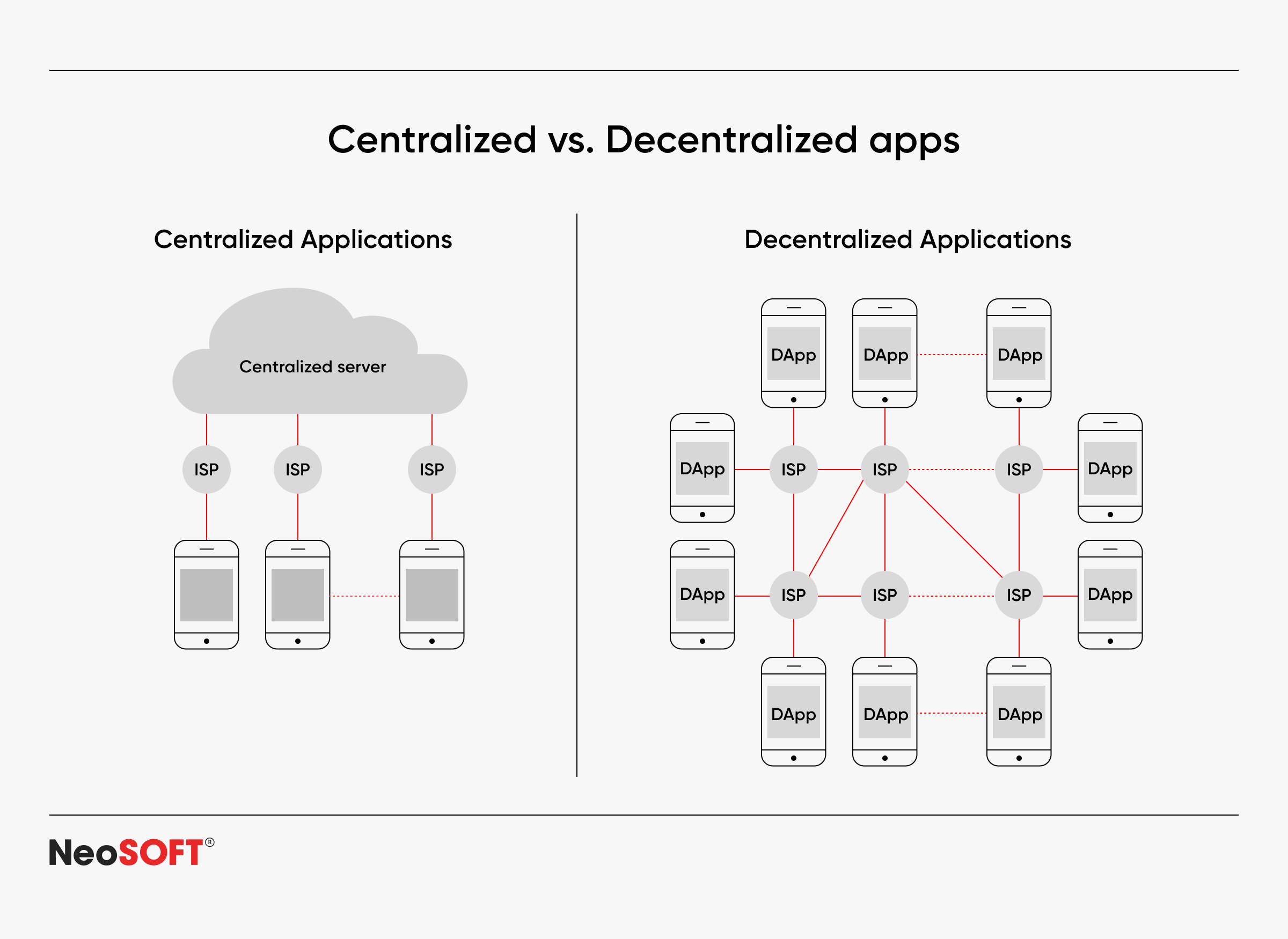
Decentralized applications, or dApps, as mentioned above, are software applications that function on blockchain networks as opposed to conventional centralized servers. Unlike traditional programs that depend on central servers for hosting and management, a decentralized application operates on decentralized systems or networks, usually based on a blockchain platform. Decentralized apps exist in decentralized networks, whereby no one single party has complete control over the application data or functioning.
 
Some key characteristics of dApps are:

  • Open-source architecture – Developers are allowed to add to and experiment with the codebase because it is frequently available for review.
  • Blockchain-based infrastructure – Blockchain networks serve as the backend for dApps, guaranteeing transparency, security, and immutability.
  • Decentralized control – A decentralized setup involves managing an application through a network of multiple nodes rather than just one.

Smart Contracts and dApp Development

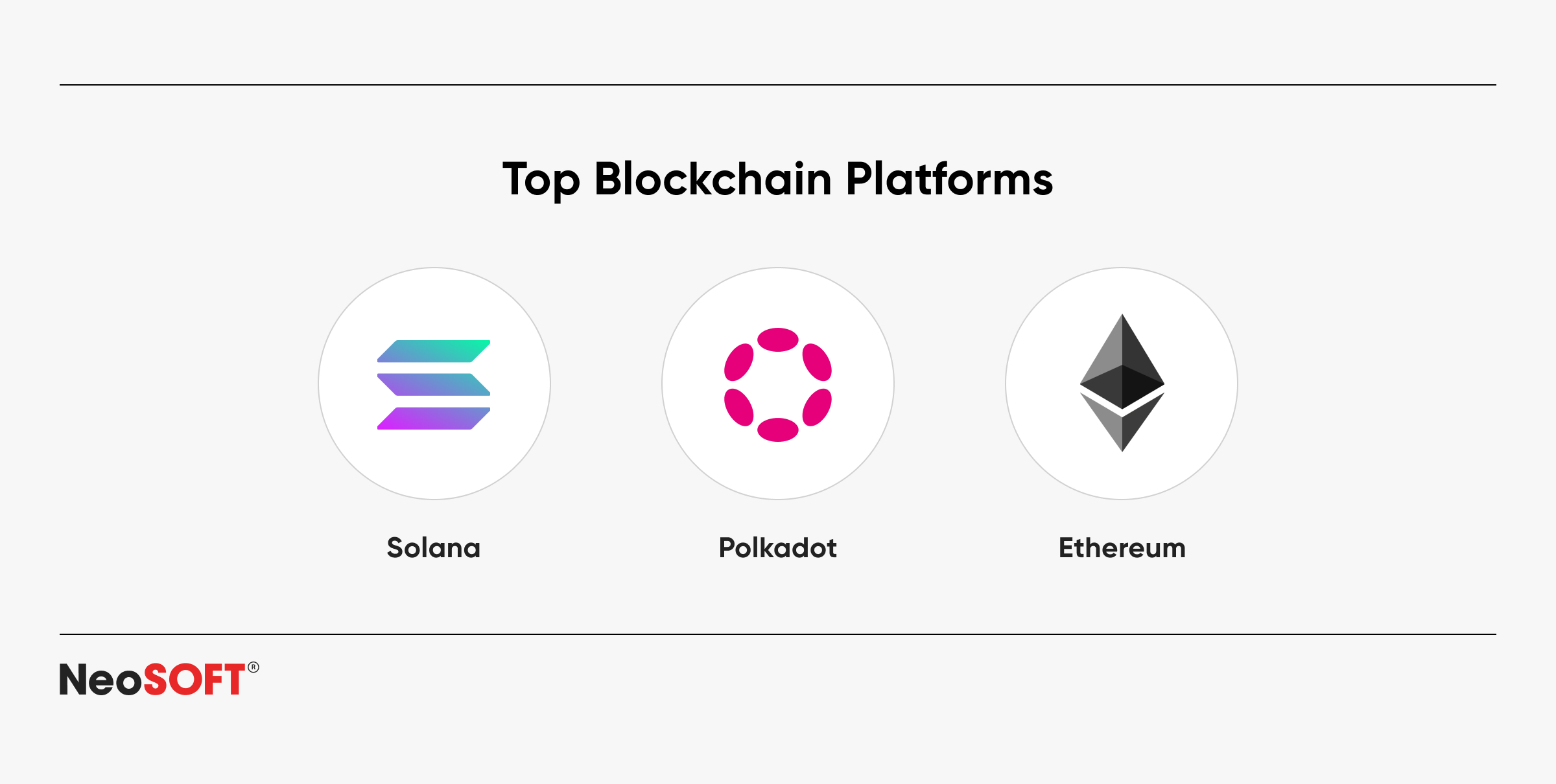
dApps are powered by smart contracts, which automate operations and transactions minus the middlemen. These self-executing smart contracts enhance efficiency by reducing the need for human control and beginning their function when the previously specified conditions are met. Ethereum, Polkadot, and Solana are a few well-known blockchain platforms that offer the necessary infrastructure to develop smart contracts and decentralized exchanges.
 
The most well-known features of Ethereum are its extensive use and strong developer community, but its scalability problems cause significant transaction costs. Although they are somewhat newer and less thoroughly vetted than Ethereum, platforms like Polkadot and Solana seek to overcome these restrictions by providing lower fees and faster transaction speeds for decentralized exchanges.
 

Key Benefits of dApps

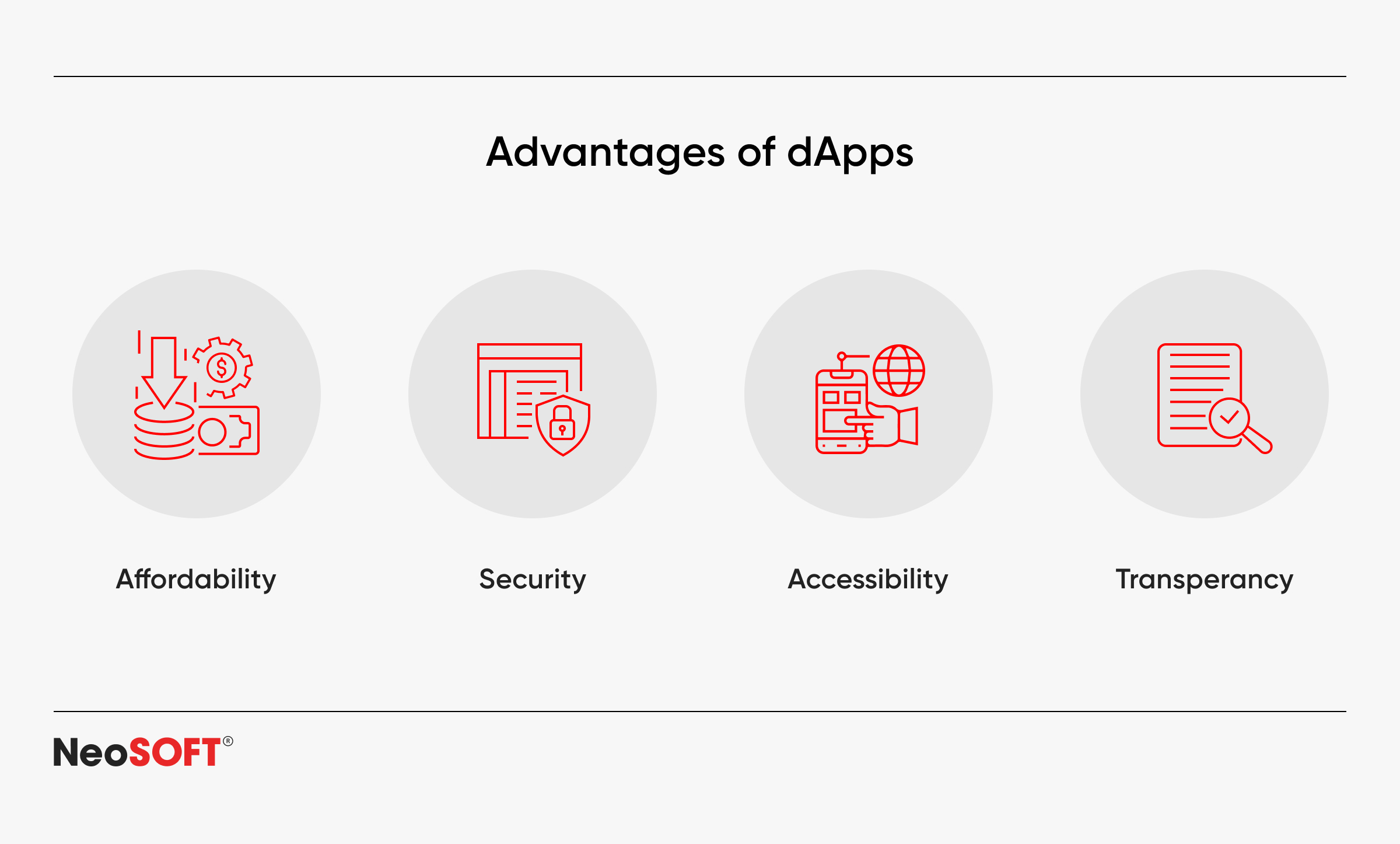
Privacy and Security

One of the main benefits of a decentralized application is the increased security. By running on a distributed network of nodes, dApp development lessens the possibility of centralized points of failure, which are major vulnerabilities in traditional systems.
 
When data is dispersed among numerous network nodes with multiple participants, it is less vulnerable to hacking, tampering, and single-point assaults. This decentralized app framework assures that organizations can protect sensitive data, improve privacy, and enhance security, mitigating the security concerns inherent in centralized approaches.

Trust and Transparency

dApps operate on the blockchain network’s distributed ledger to make transactional data available to all blockchain network participants, increasing transparency. This builds trust among stakeholders because the data is verifiable and irreversible, eliminating any need for intermediaries. Enterprises using blockchain apps can benefit from enhanced security and confidence from customers, partners, and regulators because every transaction and system change is documented and auditable in real-time.

Operational Efficiency

Operational efficiency is increased by a decentralized application because it does not require centralized servers or middlemen. The decentralized nature of the network reduces the possibility of downtime due to security breaches or system failures, increasing availability and dependability.
 
Smart contract development and automation also enable activities beyond cryptocurrency transactions, including transaction settlements, other smart contracts themselves, and procedures to be carried out with minimal manual intervention, simplifying operations for developers and businesses alike.

Affordability

dApps also offer reduced expenses, notably in terms of transaction fees. Traditional systems frequently suffer higher expenses because transactions are managed by centralized intermediaries (like banks or clearinghouses).
 
Since dApps operate autonomously using smart contract functionality, transaction costs are reduced, eliminating the need for costly centralized infrastructure upkeep. In time, these reduced operational and transaction costs can lead to significant savings for companies, making dApps an appealing long-term solution.
 

The Impact of dApp Development Across Industries

Finance

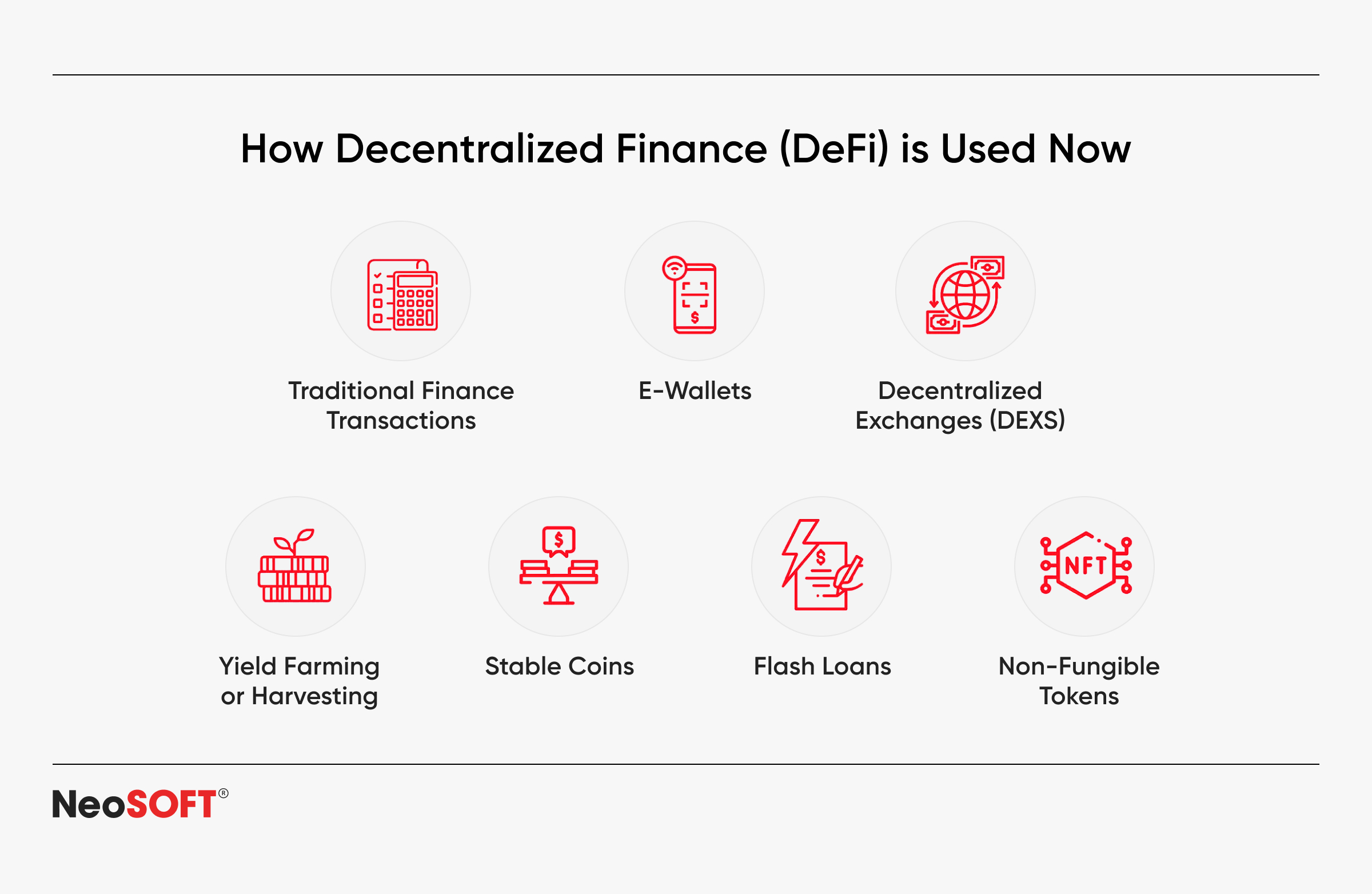
Financial institutions that operate as middlemen to assist with financial transactions within the banking industry – such as borrowing, trading, lending, investment opportunities, and wealth portfolio management – are no longer necessary when it comes to decentralized finance, or DeFi. With platforms like Compound, Aave, and Uniswap leading the way, the rapid expansion of decentralized financial products has thrust DeFi to the very forefront of dApp applications in the financial sector.
 
Users on blockchain-based platforms can earn interest and apply for loans right away using smart contracts. Worldwide customers benefit from this disintermediation by having access to better prices and increased power.

Supply Chain and Manufacturing

The adoption of dApps has improved supply chain management’s effectiveness, transparency, and traceability. The immutability of blockchain technology records facilitates the process of confirming the authenticity of products.
 
To ensure data accuracy and decrease fraud, businesses can utilize a decentralized ledger to track things at every stage, from the development phase through manufacturing, delivery, and distribution. In an effort to promote regulatory and consumer confidence, the pharmaceutical, food, and luxury goods industries are already exploring or putting blockchain-based solutions into practice.

Healthcare

The healthcare industry benefits from decentralized applications because they are capable of securely handling patient records and health data. By restricting access to those who are authorized and preserving confidentiality and privacy, a blockchain network offers patients more authority over their medical records.
 
Additionally, by collaborating more effectively, medical personnel can reduce data silos across clinics, hospitals, and labs. Clinical trials and medication tracking are other areas where dApps are helpful in enhancing accountability and lowering fraud in healthcare distribution networks and research.

Gaming and Entertainment

The entertainment sector has quickly embraced dApps, particularly in light of the increasing popularity of blockchain- and non-fungible token-powered games. These platforms give players legitimate ownership rights over real world assets, in-game items, collectibles, and virtual goods.
 
dApps enable users to trade, buy, sell, and make money by rewarding them with digital currencies or other digital assets under “play-to-earn” models. Games, including Axie Infinity and Decentraland, have helped popularize this approach, opening up new ways for gamers and content providers to finance their projects.

Other Sectors

dApps are becoming more popular outside of these sectors as well, in fields including education, social networking, and administration.
 
Decision-making processes become transparent when stakeholders may use blockchain tokens to cast their votes on proposals through decentralized governance platforms. In the education industry, decentralized learning platforms enable tamper-proof, secured certification and assessment systems, ensuring that academic credentials and records are properly safeguarded and easily verifiable.
 
In social media, dApps provide censorship-resistant alternatives while retaining control over content creators’ data and earnings. Similarly, in terms of intellectual property, blockchain enables creators to guarantee ownership of their work by offering transparent licensing and user records without the need for centralized authorities.
 

Challenges to Effective dApp/Blockchain Adoption

Scalability Issues

Scalability is one of the main issues decentralized app development services face. The most popular blockchain solutions now in use frequently encounter network congestion and transaction speed constraints, particularly during peak demand. The system may slow down considerably as the volume of users and interactions rises, leading to disruptions and increased transaction costs. This restriction impairs decentralized app development services and performance and may discourage companies from implementing blockchain solutions.

Accessibility and User Experience

Another important obstacle to widespread adoption is the complexity of dApps. Several decentralized platforms already in use demand a high level of technical expertise, which could turn away non-technical users. To encourage broad acceptance, better user interfaces and user experiences (UI/UX) are necessary. Making transactions easier and offering educational materials can assist in bridging the knowledge gap for consumers who are not familiar with blockchain protocols, thus increasing its usability and accessibility.

Regulatory Concerns

Regulatory ambiguity is a significant obstacle to businesses and developers of a decentralized app. Particularly when it comes to data privacy, transactions, and consumer protection, businesses must navigate various different rules and regulations from multiple jurisdictions. The regulatory environment is always changing, which might be dangerous for dApp growth and market stability as authorities continue to create laws concerning cryptocurrencies and blockchain technology.

Consumer Adoption

Lastly, obstacles pertaining to market penetration stand in the way of dApps’ broad adoption. Strong developer talent with knowledge of blockchain technologies and the infrastructure needed for developing decentralized applications are required by many enterprises. The creation and adoption of dApps within businesses can be hindered by the current lack of skilled dApp developers.
 
Adoption attempts are also made more difficult by the technical challenges involved in integrating dApps with current legacy systems. These obstacles need to be removed if dApps are to fulfill their full potential across industries and advance a more decentralized future.

The Future of Blockchain

Conventional centralized models are rapidly being replaced by decentralized systems and user autonomy, which are in more demand. Decentralized web and mobile apps offer a solution by eliminating middlemen and granting consumers direct ownership of their data in a world where people are becoming more and more concerned about data security, privacy, and control. The decentralized structure of dApps makes for more secure, transparent, and robust platforms which empower both individuals and enterprises.
 
The constraints of dApps are being tackled now by new technology developments as the blockchain ecosystem develops. In order to increase scalability, layer 2 solutions – like rollups and state channels – are being developed.
 
These solutions handle transactions off-chain while preserving the primary blockchain’s security. Also, improved connectivity between various blockchain networks is made possible by sidechains and cross-chain interoperability, which enables dApps to run seamlessly on several platforms.
 
Thanks to large investments, advanced technologies, burgeoning developer communities, and increased enterprise interest in app development, the whole dApp development services ecosystem is growing quickly. Leading blockchain platforms leading this trend are Ethereum, Polkadot, and Solana, which provide tools and development environments to help create dApps.
 
A positive feedback loop is being generated by this growing ecosystem of dApp development platforms, which is drawing in more developers to create creative solutions and drawing in companies looking to capitalize on blockchain solutions. Because of this, the dApp development market is becoming more diverse, with applications in fields like healthcare and finance.
 
dApps will continue to be essential to the whole development process of blockchain technology owing to its capacity to disrupt established systems and promote cooperation across global corporations.
 

Conclusion

A cutting-edge new method for people and organizations to communicate with digital systems is presented through decentralized platforms and applications. Decentralized systems offer a plethora of advantages for businesses looking to get and stay ahead of the curve and stay innovative in the rapidly evolving digital landscape, including greater transparency, privacy, and productivity. dApps are creating new opportunities for industries such as smart contract development services, healthcare, and supply chain management.
 
Now is the perfect moment for exploring decentralized solutions with blockchain technology. Working with experienced blockchain developers who can ensure safe, efficient, and future-ready solutions will help you overcome the difficulties associated with blockchain development. NeoSOFT offers you just that! Get in touch with our team right now at info@neosofttech.com and find out how our dApp development services can revolutionize your business models and ensure your long-term success.