In today’s dynamic IT environment, endpoint management has become an essential part of effective infrastructure and cybersecurity. The proliferation of electronic devices, from laptops and smartphones to IoT devices, has made it more difficult for businesses to manage and safeguard that environment.
The task is much more difficult now that employees can access vital company information from a variety of devices and locations, owing to the growing popularity of hybrid and remote work. In addition to complicating network access management, endpoint mobility and diversity offer up additional avenues for security threats.
In order to give IT organizations useful insights to improve security, streamline operations, and maintain compliance in this rapidly changing digital age, this blog will examine realistic endpoint management techniques and best practices. It is intended for system administrators, IT leaders, and other tech workers looking for practical ways to simplify their endpoint management system administration.
The Value of Efficient Endpoint Management
Defining Endpoint Management
The administration, security, configuration, and monitoring of any endpoint device on a company’s network are all part of endpoint management. Any devices that are linked to the network, including desktops, tablets, smartphones, laptops, Iot devices, and more, can be considered an endpoint. The objective is to maintain these devices’ functionality, security, and adherence to all company guidelines.
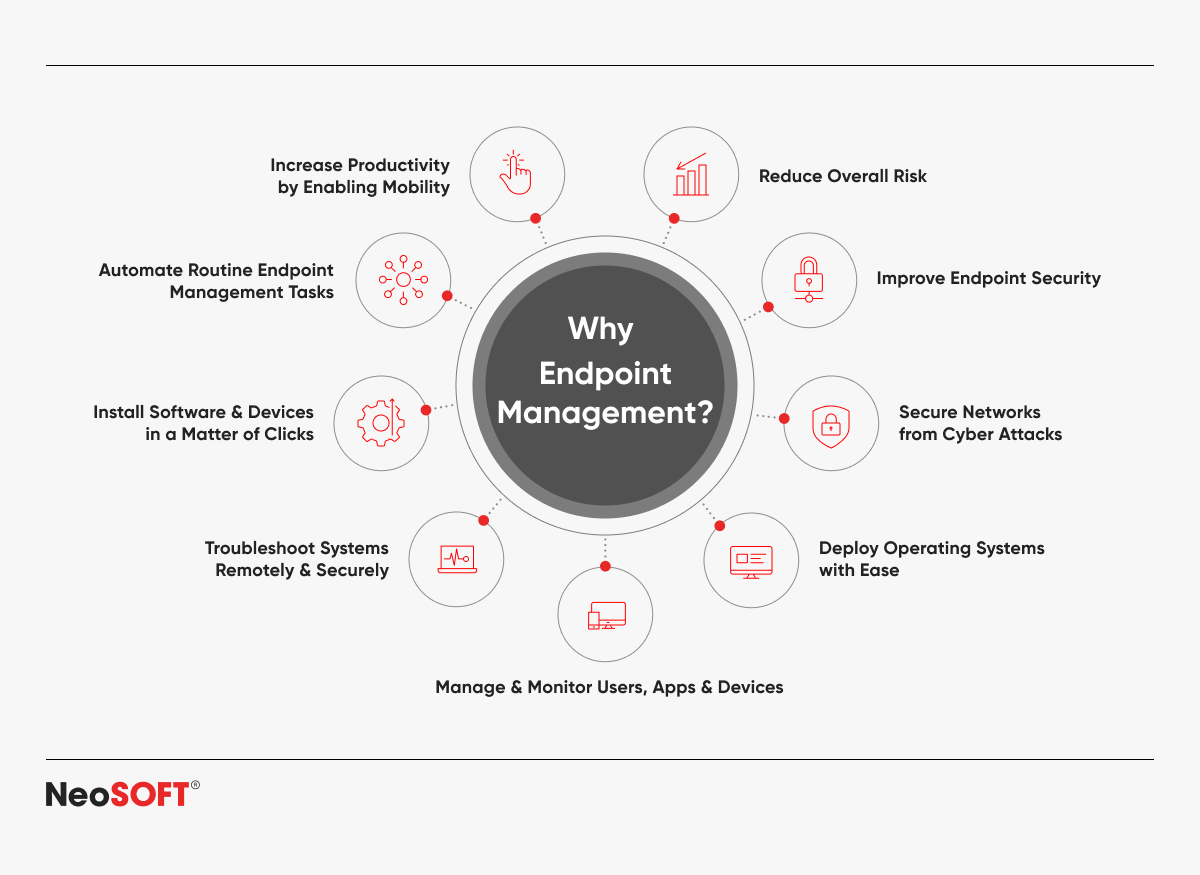
Why is Endpoint Management Crucial?
Keeping Company Information Safe and Reducing Security Vulnerabilities: Endpoint management is crucial in protecting sensitive company information from advanced threats. Organizations can reduce vulnerabilities and minimize cyber attack risks by deploying strong security measures such as endpoint encryption, secure multiple-factor authentication (MFA), and timely patch updates.
Ensuring Compliance with Regulatory Standards: Privacy and data security in many firms are governed by stringent legislation such as GDPR, HIPAA, and ISO principles. By ensuring that authorized users and all linked devices follow these guidelines, proper endpoint management lowers the possibility of fines for non-compliance or harm to one’s reputation.
Improving User Experience and Employee Productivity: Endpoints that are properly maintained see fewer interruptions from malware, obsolete software, and incorrect setups. Proactive monitoring and troubleshooting improves the user experience by preventing unnecessary downtime so that employees can concentrate on their work.
Endpoint management software is thus not merely a technical requirement; it is also a strategic facilitator of operational effectiveness, security, and business continuity.
Key Challenges to Effective Endpoint Management
The complexity of endpoint management has increased dramatically as businesses adopt flexible work arrangements and digital transformation. The following are the main obstacles that IT teams encounter when handling endpoints:
Managing an Increasingly Diverse Endpoint Array
A growing variety of devices are used in the modern office, ranging from conventional desktops and laptops to mobile phones, IoT devices, as well as virtual endpoints. It can be challenging to keep setup, updates, and security rules uniform across all device types because each has unique requirements.
Managing Security Risks in Hybrid and Remote Work Settings
The area of attack for cyber risks has increased as a result of employees accessing corporate data and company resources from different locations, frequently on unprotected or personal devices. While making sure sensitive data is protected, IT staff must deal with problems like obsolete software, unprotected networks, and lax access controls.
Maintaining Device Performance, User Convenience, and Security
User productivity can occasionally be hampered by strict security measures, which can cause irritation and possibly compromise security via workarounds. For endpoint management methods, striking the correct balance between strong security and a smooth user experience is a constant challenge.
Addressing these difficulties necessitates a deliberate, dynamic strategy for an endpoint management solution that takes into account both technical and human concerns, ensuring operational efficiency while maintaining security.
Best Practices for Successful Endpoint Management
Organizations must combine strategic planning, strong tools, and user-focused activities to manage and protect endpoint devices. Given below are some top techniques for optimizing endpoint management:
Create a Thorough Endpoint Management Plan
The cornerstone of efficient endpoint management is a thorough plan. To guarantee consistency among devices, and enforce security policies, organizations should establish explicit policies that control endpoint usage, safety, and maintenance. In order to assist businesses maintain operational efficiency whilst abiding by industry standards, these policies must be in line with organizational goals and compliance needs.
Invest in Tools for Centralized Endpoint Management
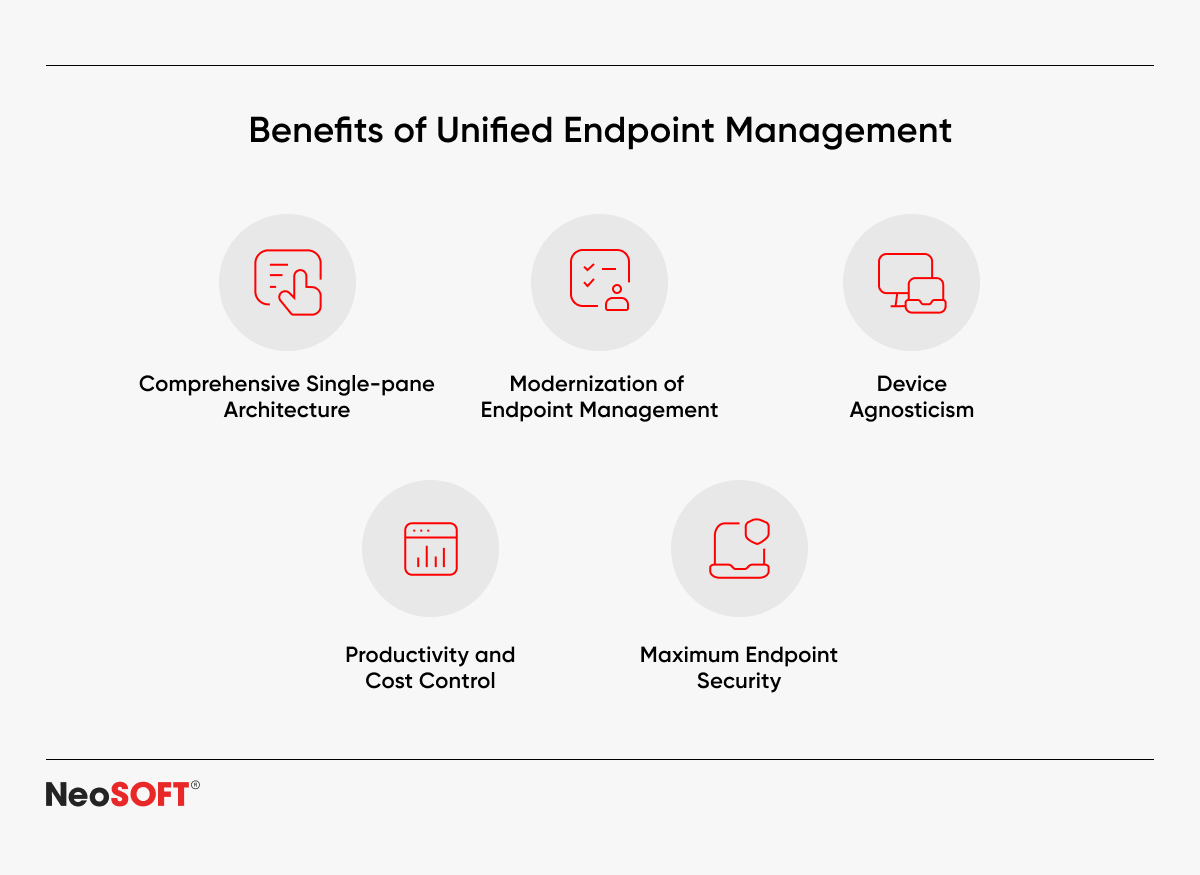
IT professionals can manage a variety of devices from a single interface with centralized tools like Unified Endpoint Management (UEM) platforms. These solutions promote automated updates, enable remote access and real-time monitoring, and expedite troubleshooting procedures. Organizations may improve overall device performance, limit downtime, and eliminate human labor by integrating endpoint management software.
Give Priority to Endpoint Security
An essential part of any management plan is endpoint security. Endpoint encryption and multi-factor authentication (MFA) should be used to shield private and sensitive information from unwanted access. Routine software and operating system upgrades are crucial for fixing vulnerabilities, even though Endpoint Detection and Response (EDR) programs can proactively identify, assess, and mitigate potential security threats.
Facilitate Automation for Increased Productivity
The key to keeping an endpoint ecosystem under control is automation. By implementing software updates and patch management automation, enterprises can guarantee that devices remain secure and up to date. Frequent backups, security patches and threat assessments protect data and identify possible problems before they become serious, which improves security significantly.
Provide Training and Support to Users
The effectiveness of endpoint management initiatives depends on user support and awareness. Endpoint security recommended practices, like identifying phishing attempts, avoiding dangerous activities, and setting strong passwords, should be taught to staff members. Additionally, to minimize disruptions and promote a pleasant user experience, a devoted support system needs to be in place that quickly addresses endpoint concerns.
By putting these best practices into reality, businesses can build an endpoint environment that is safe, effective, and encourages productivity while safeguarding important data and adhering to industry standards.
Strategies for Proactive Threat Mitigation
Proactively addressing endpoint security is key. Companies must foresee and prevent threats before they have an opportunity to cause harm rather than merely reacting to them. A few ways to do this are:
Real-time Detection of Threats
Real-time risk monitoring is made possible by integrating endpoint management systems with sophisticated threat detection tools. Organizations can swiftly address concerns before they become serious breaches by establishing warnings for questionable activity.
Artificial Intelligence and Machine Learning
Machine learning and artificial intelligence are both powerful tools that can be utilized to identify security risks and unusual activity accurately. Large volumes of data are analyzed by these technologies in order to identify irregularities, forecast dangers, and automate responses, enabling quicker and more efficient threat mitigation.
Zero Trust Architecture
One important tactic for restricting access to only authenticated individuals and devices is to put Zero Trust principles into practice. Zero Trust greatly reduces the attack surface and improves security across endpoints by making no one, inside or outside of the network, trusted by default.
Network Segmentation
In order to restrict the lateral movement of threats, network segmentation entails splitting the network into discrete areas. Segmentation can contain an attack in the event of a breach, limiting any harm and stopping it from propagating throughout the network.
Advanced Monitoring
Early detection of vulnerabilities and questionable activity is facilitated by powerful analytics and ongoing endpoint monitoring. Organizations can use these technologies to identify departures from typical behavior and fix security flaws before attackers take advantage of them.
A more robust defense against new attacks is ensured and an organization’s endpoint security is strengthened when threats are proactively mitigated using these techniques.
Top Endpoint Management Software Solutions
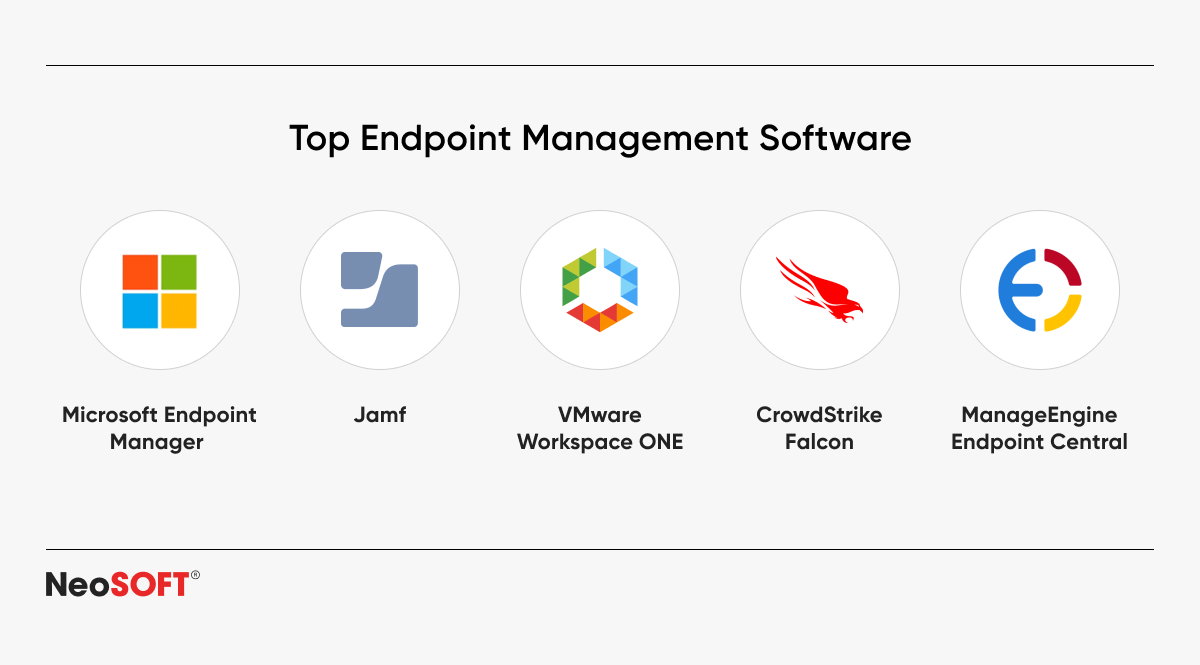
Selecting the appropriate endpoint management software is an important step in securing and optimizing your IT environment. The best solution is determined by the size of your firm, its specialized needs, and budget. Here are some recommended tools:
Microsoft Endpoint Manager – It provides easy connection with Windows and Microsoft 365, which renders it perfect for enterprises that already use both platforms.
Jamf – Tailored for enterprises that use Apple devices, this solution offers superior administration and protection for macOS and iOS.
VMware Workspace ONE – A powerful UEM solution that supports several platforms and is appropriate for a wide range of IT environments.
CrowdStrike Falcon – Offering sophisticated threat identification and response capabilities, this product is centered on endpoint security.
ManageEngine Endpoint Central – Combines simplicity of use with a variety of functions, such as patch management and deployment of software.
The correct endpoint management software is critical for improving security, increasing efficiency, and ensuring compliance. To reinforce your endpoint management strategy, consider the options above and select a solution that corresponds with the goals of your business.
Metrics for Continuous Endpoint Management Success
Effective endpoint management necessitates not just the execution of best practices, but also a reliable system for monitoring progress. Establishing set Key Performance Indicators (KPIs) enables firms to assess the efficiency of their endpoint management policies and pinpoint areas for improvement.
The frequency and effectiveness of software upgrades and patch deployments to protect devices, the average time it takes to resolve endpoint-related issues, and the rate of adherence to endpoint security policies are a few crucial KPIs. Additionally, indicators like device uptime, user happiness, and the number of security events found and fixed offer important information about how well endpoint management programs are doing overall.
Keeping up with the constantly changing IT ecosystem requires constant strategy monitoring and upgrading. Emerging cyber threats and the introduction of new devices and technologies are two examples of new issues that force enterprises to review their endpoint management procedures periodically.
Through performance data analysis and user and IT team feedback, organizations can make well-informed adjustments to improve user experience, streamline processes, and strengthen security. Long-term effectiveness, adaptability, and alignment with corporate objectives are guaranteed by measuring achievement and making a commitment to continual development.
Conclusion
Effective endpoint management is crucial for maintaining security, streamlining operations, and satisfying regulatory requirements in the ever changing digital landscape of today. Strong endpoint management methods are more important than ever as businesses adopt hybrid and remote work environments and depend more and more on a large variety of devices.
Now is the perfect moment to improve your endpoint management procedures. Begin by assessing your present procedures, spotting any gaps, and putting plans in place to close them. Our team is here to assist people who are looking for professional advice.
At NeoSOFT, we provide complete endpoint management solutions that are tailored to the requirements of your company. Partner with us to benefit from our smooth management tool implementation, continuous maintenance and monitoring assistance, and professional advising to create strong strategies. Reach out to us today at info@neosofttech.com to find out how we can help you succeed!
Agile, scalable, and robust software systems are essential for businesses in today’s fast-paced digital environment. This need gave rise to a new approach to application development called microservices architecture, which builds programs as a collection of small, loosely coupled, independently deployable services. Microservices, as opposed to conventional monolithic designs, allow development teams to expand components separately, provide faster development cycles, more fault tolerance, and deliver changes more quickly.
Java has been a preferred platform for creating microservices because of its strong ecosystem and large community support. It is perfect for creating modular, high-performance web applications because of its adaptability, compatibility with containerization tools, and support for established frameworks like Micronaut and Spring Boot. Additionally, Java has an established foundation for developing scalable and dependable systems due to its extensive use in enterprise settings.
Microservices architecture is emerging as a key component of contemporary software development as businesses place a greater emphasis on flexibility, scalability, and persistence in their programs. Java microservices offer the tools and techniques to create systems that satisfy present business needs and become ready for agile development and expansion, whether they are powering global online shopping platforms, streaming platforms, or banking systems.
This article discusses the advantages of adopting Java for microservices and best practices for developing scalable, resilient systems. It is aimed at Java developers, microservices specialists, IT executives, and business leaders and provides valuable insights into how to use Java tools and frameworks in order to optimize or move to a microservices architecture.
Microservices Architecture Explained
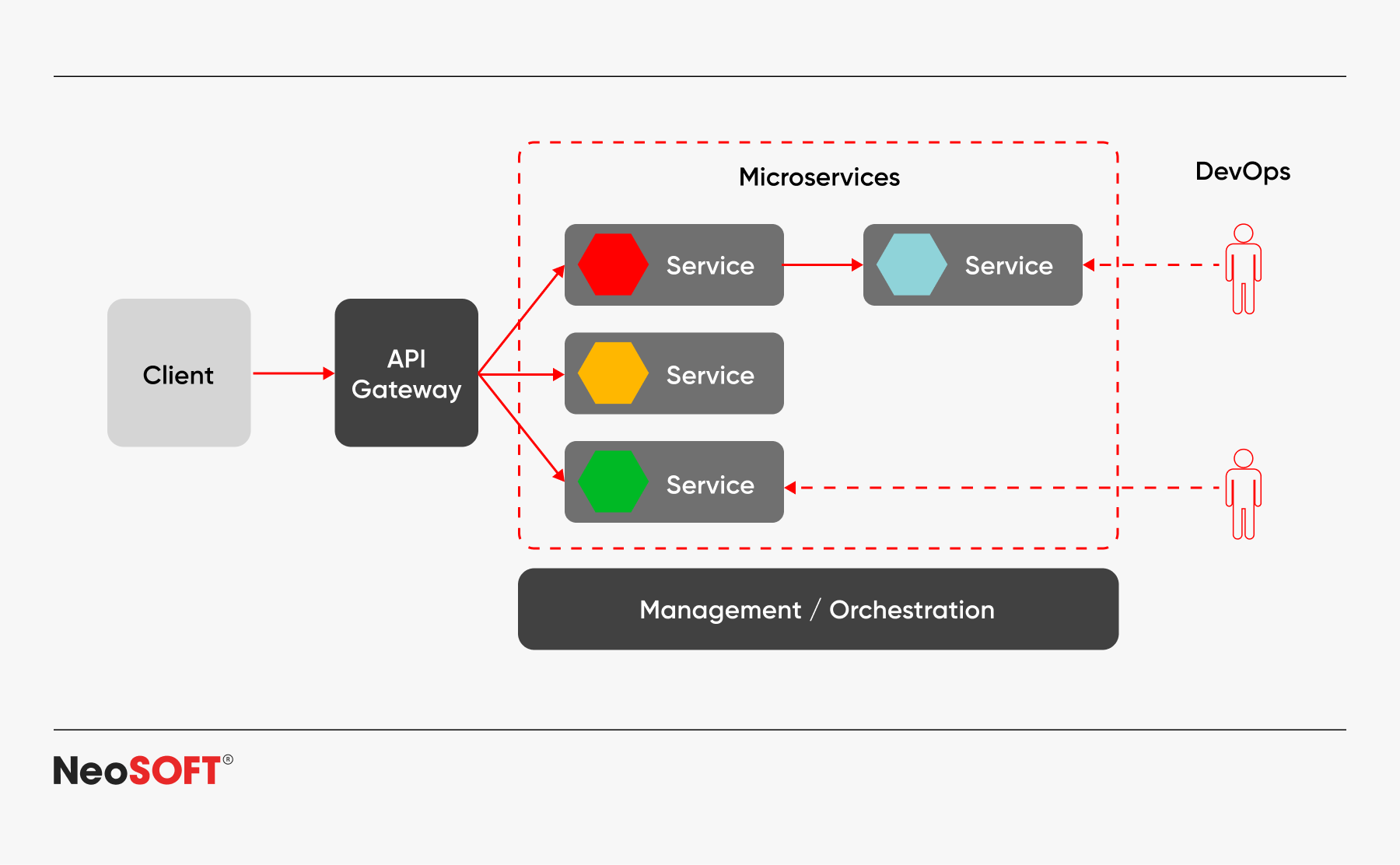
Microservices architecture refers to a method of software development in which systems are developed as a collection of small, self-contained services, each assigned a specified purpose. These services run autonomously, interact using lightweight protocols such as REST or message queues, and may be built, deployed independently, and scaled separately.
Serverless architecture is increasingly being used alongside microservices, allowing developers to deliver lightweight functionalities without having to manage server infrastructure. It supports microservices by improving scalability and lowering operational costs, particularly for event-driven or infrequently used applications.
This microservice development, as mentioned above, contrasts with monolithic design, in which all application components are closely connected and run as an individual unit, complicating scaling and upgrades.
Some of the main components are:
Independent Services: Every service is self-contained, built with the best available technology, and focuses on a particular business capability.
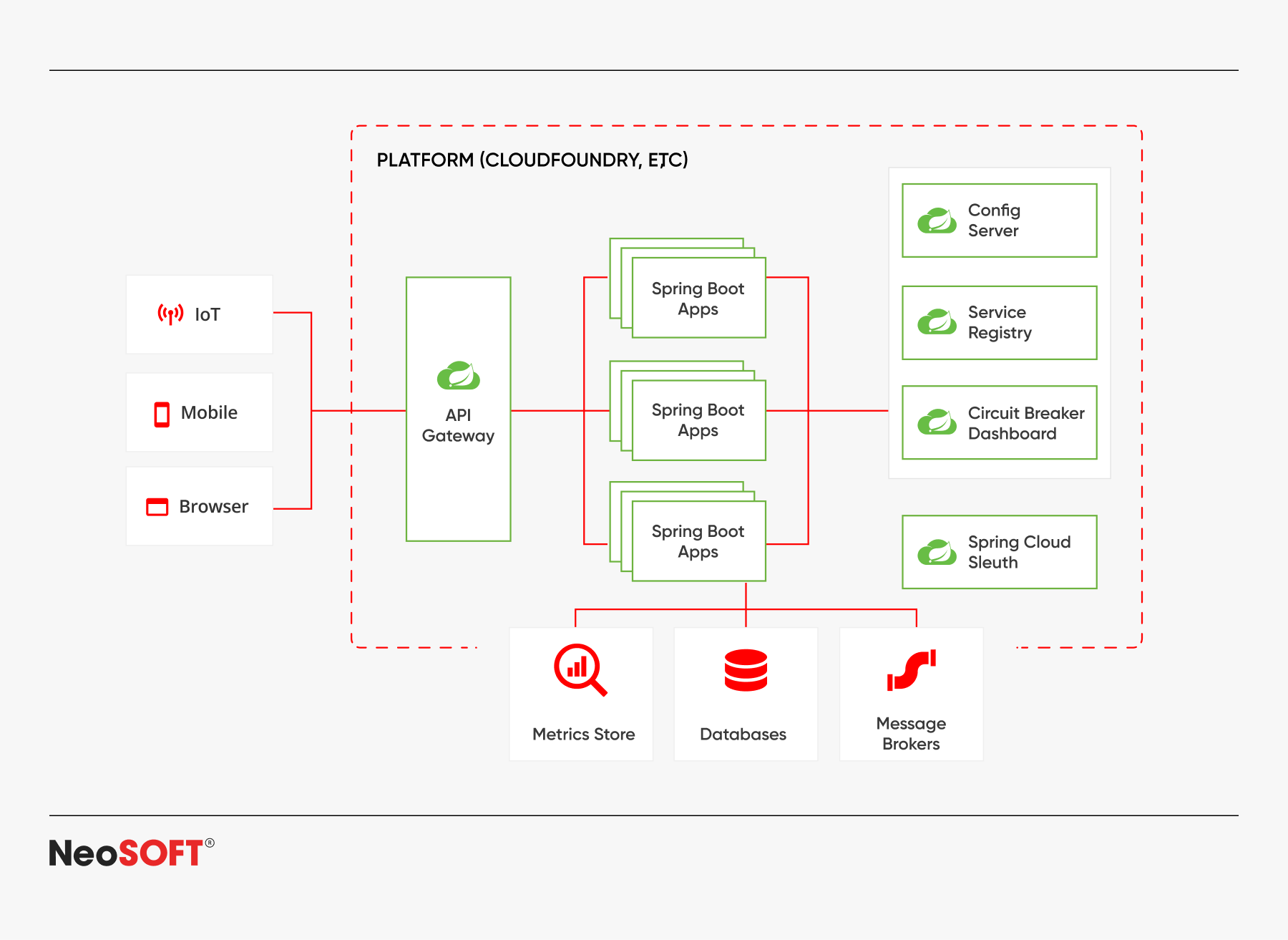
API Gateways: A centralized gateway handles cross-cutting issues like authentication, rate limitation, and logging while managing client requests and forwarding them to the relevant services.
Decentralized Data Management: Each service typically handles its own database, encouraging loose coupling and allowing teams to select the best storage option for their needs.
In a study conducted by IBM, wherein more than 1200 software developers and industry stakeholders were surveyed, 87% of microservices users are of the opinion that adopting microservices is worth the money and work. 78% of those who already make use of microservices architecture in their operations indicated that they would increase the time, money, and effort they invested in it.
Clearly, the benefits of adopting microservices architecture far outweigh any drawbacks there may be. Combining microservices with Java can take these benefits to new heights.
Benefits of Using Microservices with Java
Scalability
Microservices enable every service to expand independently depending on its specific resource needs. This implies that highly sought after services can be expanded without affecting other areas of the system.
Java’s fast runtime as well as containerization support (via Docker and/or Kubernetes) make it easier to roll out and expand microservices across dispersed settings, assuring optimal resource usage while lowering operational costs. Moreover, even under extreme strain, high-demand services can continue to function thanks to its independent scalability.
Resilience
Each service in a microservices design is isolated, so even if one service fails, the entire application does not collapse. This isolation enables increased fault tolerance and recovery. Java frameworks like Spring Cloud give tools for building resilient systems, including circuit breakers, retries, and fallbacks, which improve service dependability even when one or more components fail.
When combined with Java’s strong exception handling, these capabilities ensure that services continue to function and that user experience is affected as little as possible.
Deployment Flexibility
Java microservices integrate neatly into CI/CD pipelines, allowing for quicker development processes, easier maintenance, and a greater frequency of releases. Jenkins, GitLab CI, and Docker enable automated testing, deployment, and scalability of multiple microservices, making sure new features or repairs are provided promptly and with low downtime.
This flexibility facilitates agile development processes, making Java-based microservices ideal for dynamic business requirements. Additionally, it enables companies to test new features or updates using methods like canary or blue-green deployments.
Technology Diversity
One of the primary benefits of building microservices in the Java programming language is the capacity to select the best and most suitable technology stack for every single service. Java’s interoperability with other programming languages and a wide number of frameworks, libraries, and tools enables developers to customize each service to meet individual needs.
Whether utilizing Spring Boot for a RESTful service, or Micronaut for lightweight microservices frameworks, or Quarkus for high-performance, low-latency projects, Java enables you to choose the best technology for each microservice architecture.
Development Speed
Microservices allow development groups to focus on smaller and isolated functions, providing features that are separate from other parts of the system’s components. The whole process of development is sped up by this autonomy, which also promotes parallel development and reduces bottlenecks.
Agile principles enable developers to work on several services concurrently, accelerating product delivery, decreasing time to market, and providing them with flexibility and scaling ability to swiftly adjust to changing needs. Due to Java’s many development tools and IDE support – such as IntelliJ IDEA and Eclipse – developers can work on complex applications more quickly and effectively.
Best Practices for Microservices with Java
Designing for Domain-Driven Development (DDD)
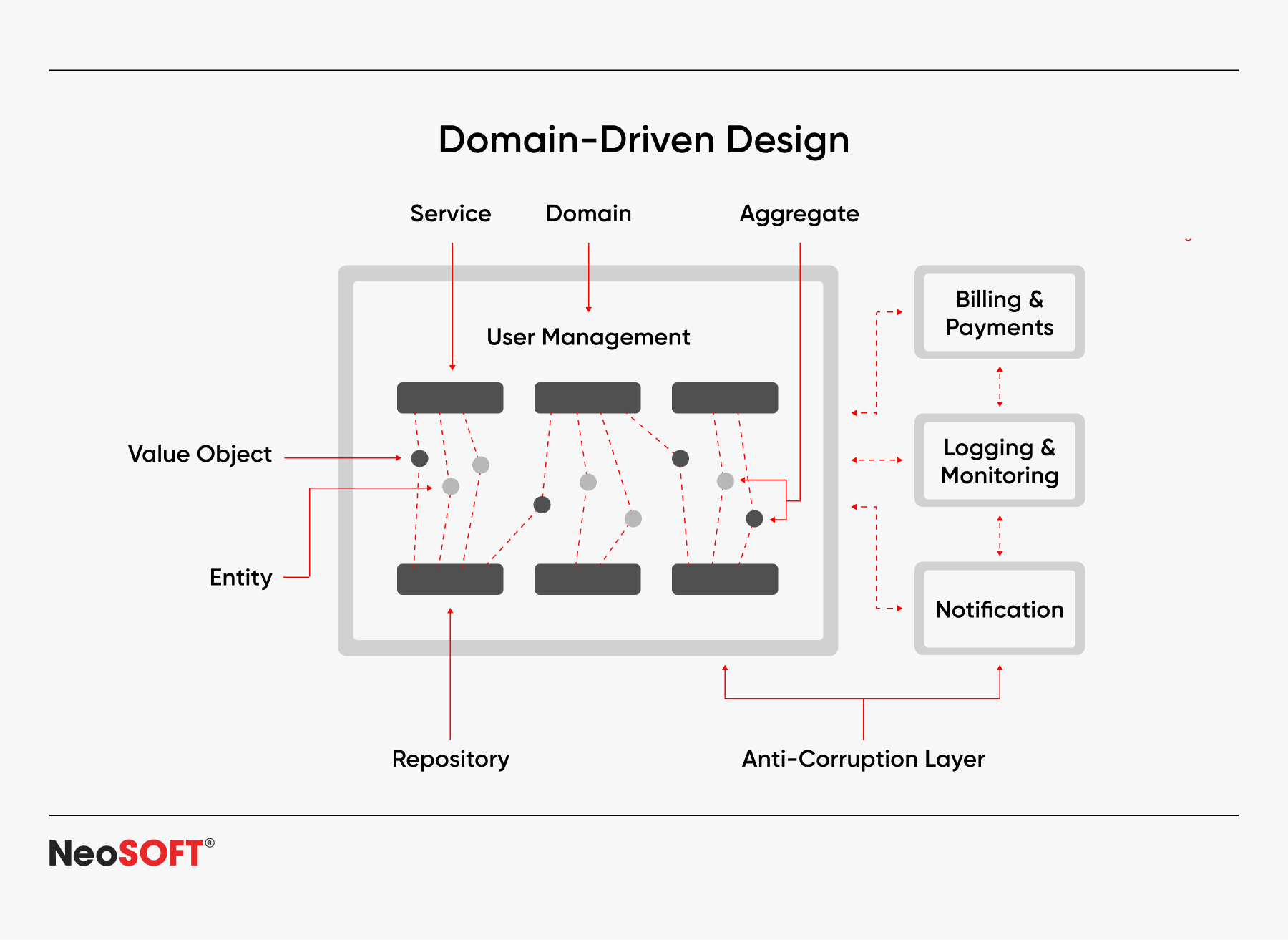
Domain-driven design entails leveraging limited contexts to set defined service boundaries that are linked with specific business requirements. This guarantees that services have different tasks, thus increasing manageability while decreasing overlaps. Teams can design more adaptable and scalable systems by closely aligning services with specific business function and logic. This alignment also promotes improved communication between business stakeholders and developers.
Picking the Right Frameworks
Framework selection is critical to the success of microservices. Spring Boot provides powerful corporate support, whereas Dropwizard is best suited for lightweight services. Micronaut and Quarkus thrive in cloud-native and Kubernetes environments, with quick startup times and low resource use. Selecting the appropriate framework to build microservices ensures that the services are tuned for performance and maintainability. Every framework also easily connects with Java’s extensive tool and library ecosystem.
Enabling Efficient Inter-Service Communication
The industry norm for stateless communication is for RESTful services and APIs, while gRPC provides low-latency, high-performance substitutes. RabbitMQ and Kafka are two examples of solutions that facilitate dependable messaging between services in asynchronous or event-driven systems. System performance is improved, and latency is reduced by ensuring effective communication. Communication channel optimization is essential to reducing bottlenecks in distributed systems.
Managing Data
Decentralized data management is necessary for microservices, where each service is in charge of its own database and data store. Services are kept loosely connected, but eventual consistency is maintained by patterns such as saga orchestration and event sourcing. Decentralized administration enables individual services to select the database that best suits their requirements. This versatility improves responsiveness to changing business requirements.
API Gateway Patterns
An API gateway controls routing, authentication, and rate limitation while serving as a single point of entry for external queries. Tools like Kong, Spring Cloud Gateway, and Zuul make these chores easier and increase scalability. Additionally, by centralizing sensitive processes like authorization, API gateways improve security. They also help in the consolidation of service responses for improved performance on the client side.
Monitoring and Logging
System health is ensured via efficient monitoring using platforms like Prometheus and Grafana; smaller services and inter-service problems can be debugged using distributed tracing offered by Jaeger and Zipkin. Centralized logging increases service-wide visibility. OpenTelemetry has emerged as a new monitoring and tracing standard, providing a uniform approach to observability spanning dispersed systems. These tools collaborate to identify and fix issues before they harm users. Regular monitoring also guarantees compliance with performance and uptime standards.
Security Considerations
Reliable communication between services is a key component of microservices design, and tools like TLS, JWT for authentication using tokens, and OAuth2 for authorization are frequently used. By enforcing secure coding principles and conducting regular audits of dependencies, vulnerabilities are reduced. Maintaining user confidence and safeguarding sensitive data depend heavily on these strong security measures. Frameworks like Spring Security and Keycloak offer robust implementations for securing Java-based microservices.
Testing and Quality Assurance
For isolated testing, use mock dependencies and contract testing to verify service interactions without active integrations. As the system develops, automate testing via CI/CD pipelines to guarantee quality. Thorough testing guarantees smooth operation across services and lowers risks. Automated regression testing contributes to system stability when features are added.
Challenges and Solutions
While microservices design has many benefits, it also creates new issues that must be addressed with careful planning. One key problem is the increased complexity of maintaining multiple independent services, each with their own deployment, scaling, and monitoring needs. Service mesh solutions (such as Istio and Linkerd) can help by transparently managing service discovery as well as safe communication.
Another concern is data management since each microservice typically handles its own database, potentially resulting in data consistency issues. Saga orchestration and event sourcing are two patterns that can help preserve uniformity across distributed systems whilst maintaining service autonomy.
Network latency is also important because constant interaction between services can have an influence on performance. Latency issues can be mitigated by optimizing communication between services using protocols such as gRPC and implementing caching methods (e.g. Redis).
Finally, coordinating frequent deployments and service changes can put a strain on teams. Adopting DevOps principles using tools such as Jenkins, Kubernetes, and CI/CD pipelines guarantees smooth deployments, automated testing, and improved collaboration, resulting in faster and more dependable delivery.
Frameworks & Tools for Developing Java Microservices
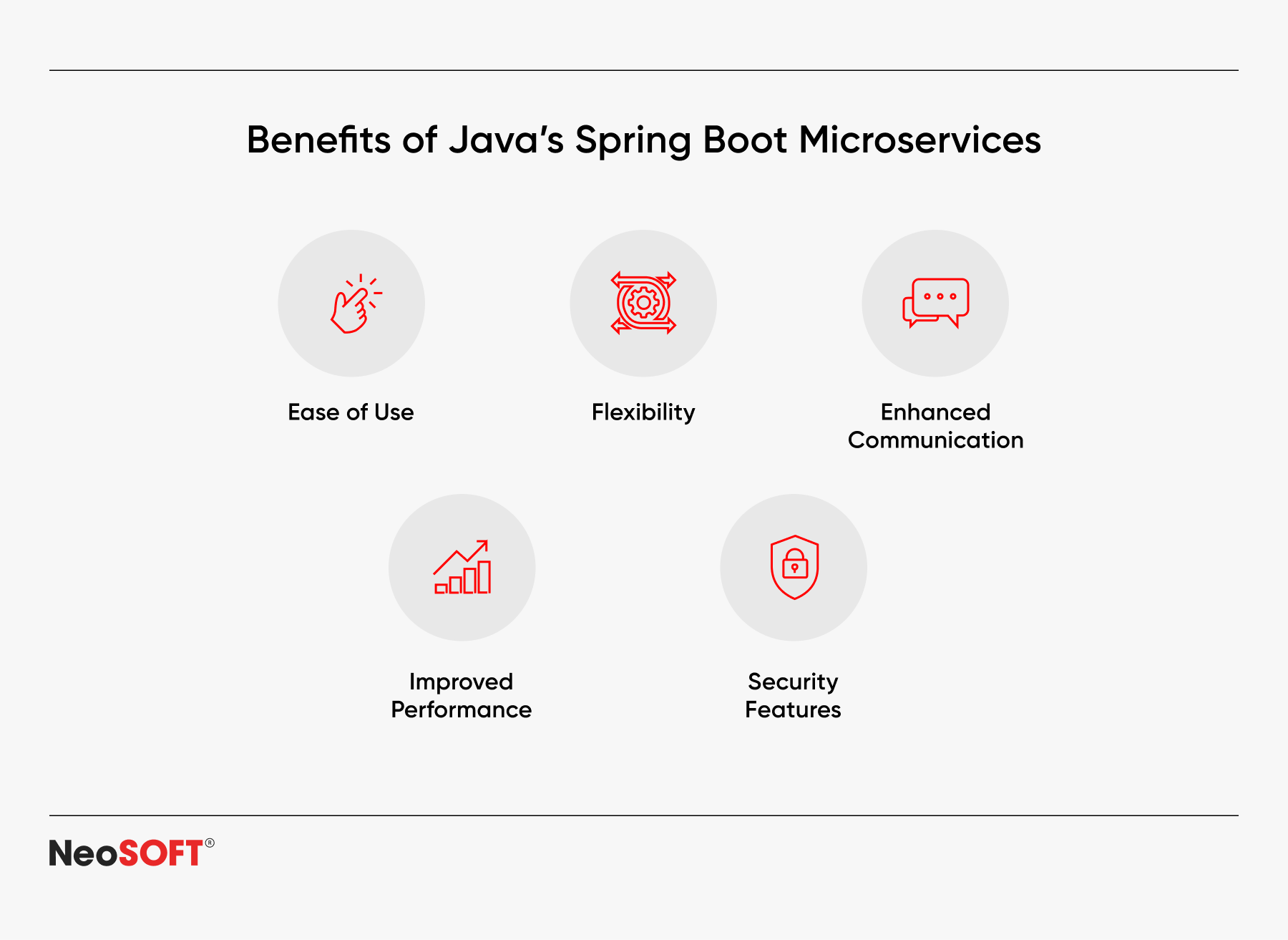
A popular platform for creating Java microservices, Spring Boot provides prepared templates and embedded servers, as well as smooth interaction with Spring Cloud and other tools. It offers features like cloud-native capabilities, dependency injection, and REST API development, making it easier to create stand-alone, production-ready services.
In order to containerize Java microservices and enable each service to operate in a separate environment, Docker is a necessary technology. Packaging code with all of its dependencies makes deployment easier and guarantees consistency throughout development, testing, and production.
A potent orchestration tool, Kubernetes integrates easily with many popular Java frameworks and microservices that are set up as Docker containers. It simplifies complex system management by automating service provision, load balancing, and scalability.
Built on top of Kubernetes, OpenShift offers enterprise-grade features including developer-friendly workflows, strong security, and tightly integrated CI/CD pipelines. For teams working on large-scale, cloud-native Java applications, it is very advantageous.
Together, these technologies improve Java microservices development and deployment, guaranteeing scalability, dependability, and efficiency in contemporary systems.
Conclusion
Java’s extensive network of frameworks, tools, and demonstrated scalability make it a popular choice for microservice development. Thanks to its adaptability and easy integration into contemporary DevOps processes, it enables businesses to build robust, effective systems that satisfy the needs of the ever-changing software industry.
By implementing best practices, teams may optimize performance, guarantee dependability, and future-proof their software applications against constantly evolving business requirements. These practices include domain-driven design, effective communication procedures, decentralized management of data, and strong security measures. Java’s flexibility makes it perfect for creating systems that are agile, maintainable, and scalable.
Our team of skilled experts is at the ready to support you if you’re prepared to realize the full potential of microservices or in the event you need professional advice when creating Java-based solutions. To begin developing an adaptable, effective, and future-ready IT architecture, get in touch with us today at info@neosofttech.com!
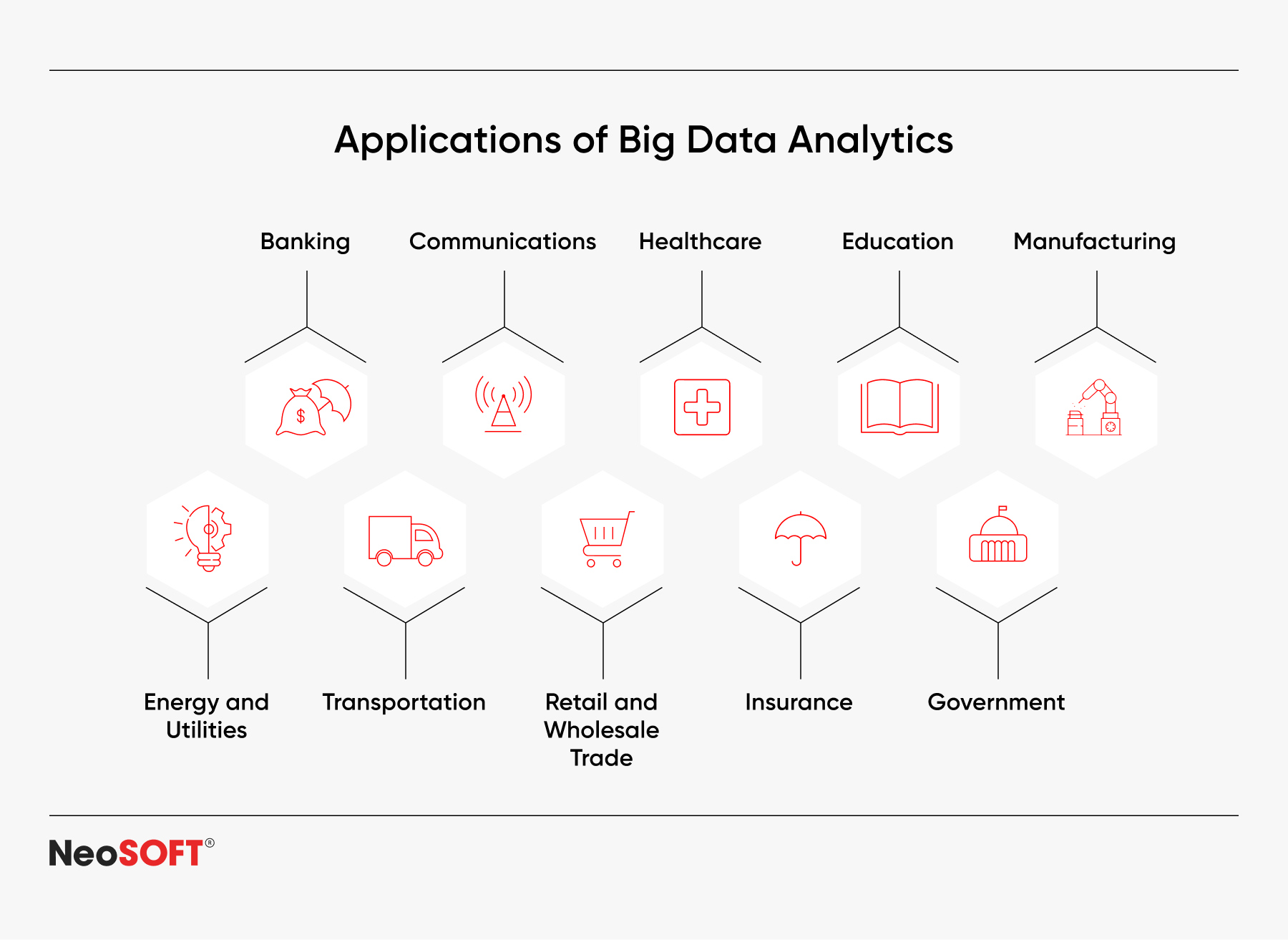
Hospitals and other medical institutions must handle and evaluate a wide range of complex clinical data, such as patient’s health records and real-time monitoring, in order to deliver high-quality care. Big data is revolutionizing businesses across industries by facilitating real-time data analysis, which speeds up and improves decision-making processes significantly.
Businesses are able to make decisions more swiftly and efficiently now due to the real-time evaluation capabilities of big data analytics, which also uncover hidden insights that encourage further efficiency and creativity. By 2028, cloud computing and related technologies will no longer be simply an aspirational innovation, but will instead be a vital part of businesses, predicts Gartner, Inc.
Big Data has had arguably the greatest impact on the healthcare sector, which is moving from reactive to proactive care, as it has the unrivaled potential to transform operational procedures and care. Healthcare data analytics is revolutionizing healthcare decision-making and enabling doctors to make data-driven decisions for optimal outcomes by offering more accurate forecasts, customized treatments, and reliable operational data.
This blog analyzes how big data is transforming the healthcare industry with a focus on operational efficiency, data management, and personalized care. Medical professionals, IT professionals, health data analysts, medical researchers, healthcare professionals, and industry decision-makers who intend to use data-driven solutions to improve patient care, save costs, and streamline operations are all part of the target audience.
Defining Healthcare Analytics
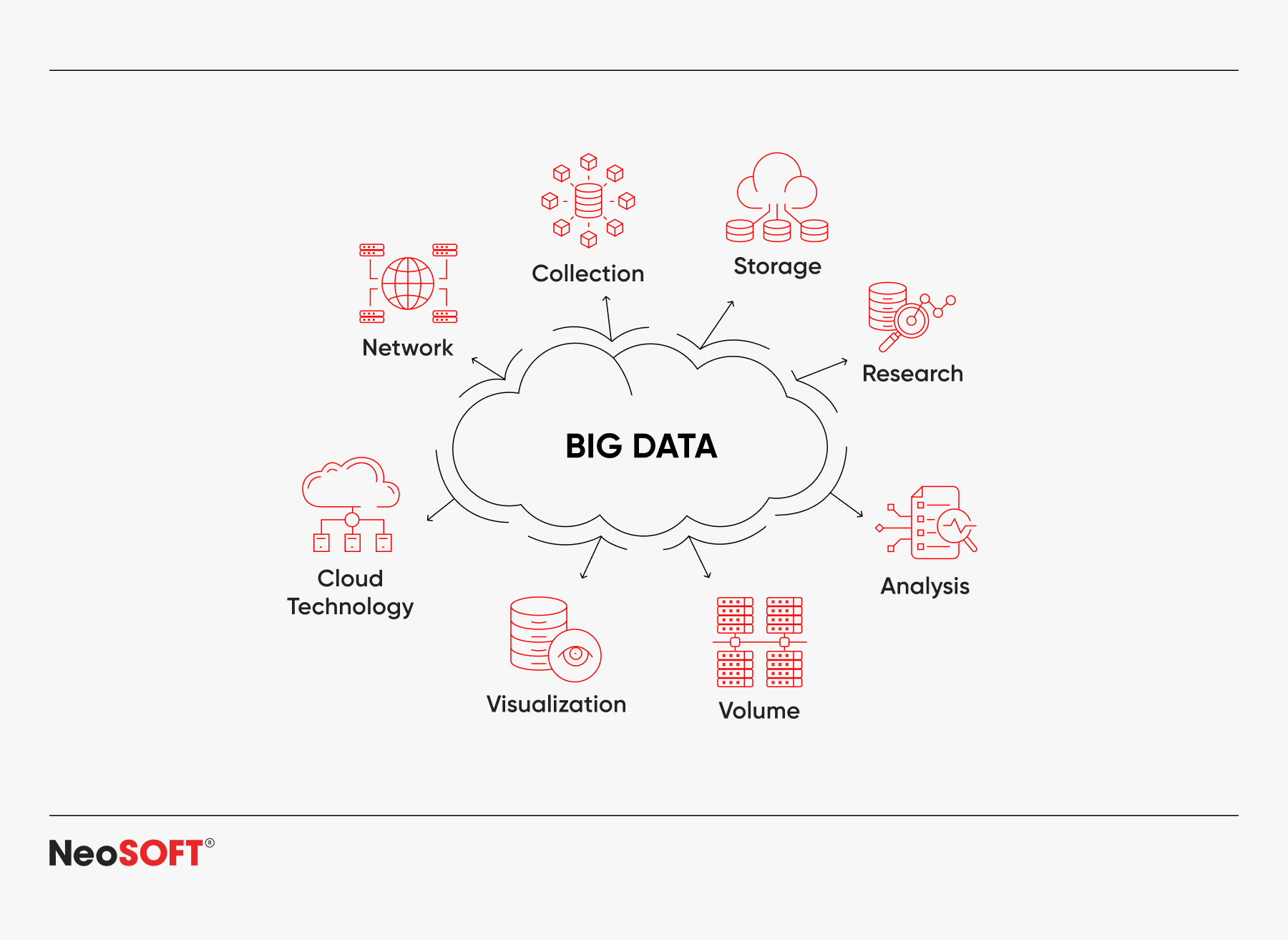
In the context of healthcare, “big data” refers to the enormous and complex datasets generated by health systems from a range of sources, including real-time data from wearable technology like fitness trackers and smartwatches, genetic data, electronic health records (EHRs), imaging (MRIs, X-rays), and clinical trial data. Medical research is advanced, treatment outcomes are improved, and healthcare procedures are sped up because of effectively analyzing this enormous amount of data.
Two primary types of healthcare data exist:
Structured data, including test results, treatment logs, and payment details, is highly searchable and well-organized.
Unstructured data, such as audio recordings from consultations, photographs, and doctor’s notes, is more complicated and difficult to manage.
To identify insights that result in better decision-making, individualized therapies, and more effective healthcare services, health data – both structured and unstructured data – must both be assessed. The quality of service and overall systemic health system effectiveness may be greatly improved if this health data could be transformed into insightful knowledge.
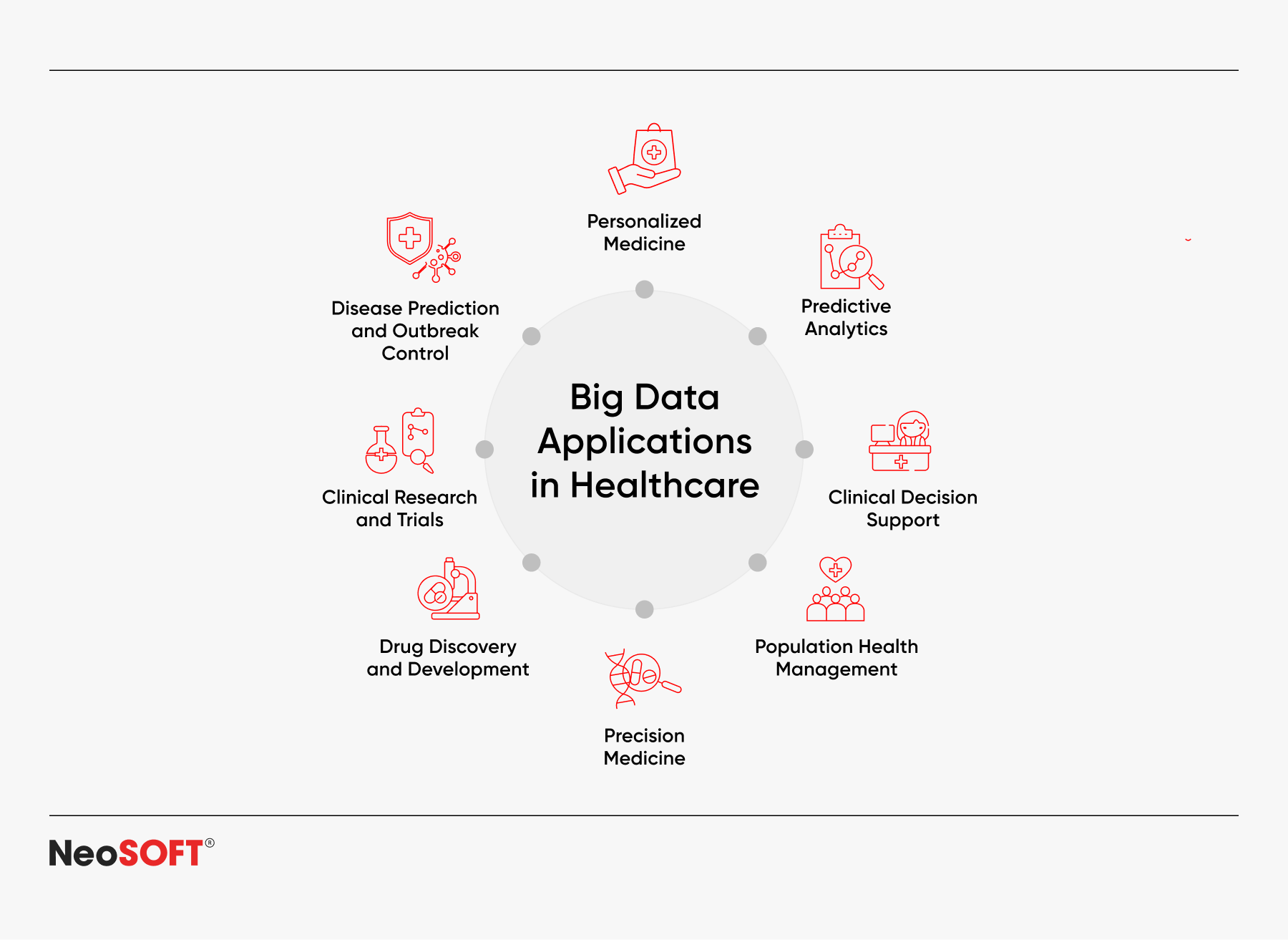
Predictive Analytics
Thanks to big data analytics, healthcare clinicians can utilize predictive models to identify patterns in population health, anticipate treatment outcomes, and track the development of diseases. By analyzing both historical and current medical data, clinicians may confidently predict patient risks, facilitating early detection and better long-term healthcare monitoring and management. Healthcare professionals can anticipate patient demands thanks to this data-driven approach, which makes preventive care possible.
Personalized Medicine
Big data is crucial for customized healthcare since it allows for the customization of treatments according to each patient’s particular characteristics, such as genetic information, lifestyle decisions, and medical records. This method enhances treatments for optimal patient outcomes, while reducing side effects by developing more accurate and potent medications. In addition to improving patient safety, this customized care makes sure that treatments are as targeted and efficient as possible.
Operational Efficiency
Hospitals can optimize operations, improve resource allocation (for example, manpower and equipment management), and reduce operating expenses by implementing big data health analytics too. Finding inefficiencies, improving patient scheduling, and removing bottlenecks with information gathered by healthcare analytics improves operations and patient experiences. In the end, this modification improves overall hospital performance, increasing patient throughput and shortening wait times.
Patient Care Optimization
Big Data analytics enables real-time patient monitoring using wearable devices and electronic medical records, providing timely insights for assessment and treatment plans. By helping physicians make better, faster decisions, this analytics-driven approach to healthcare data ultimately enhances patient care and reduces hospital readmissions. It also makes it possible for healthcare professionals to monitor and engage patients continuously, guaranteeing prompt action when required.
Drug Research and Development
Big Data is used by the pharmaceutical sector to evaluate large datasets from research projects and clinical trials, which expedites the development of new drugs. Due to the support it provides in discovering potential medications, assessing drug efficacy, and anticipating outcomes, innovative drugs have a better success rate and a faster time to market. Furthermore, this data-driven approach lowers the overall cost of creating new medications while improving patient access to essential therapies.
Challenges of Using Big Data in Healthcare
Data Integration
Healthcare systems routinely gather a variety of data types, including imaging, wearable technologies, medical systems, and electronic health records. It is challenging yet essential to integrate this complex data from various formats and outdated systems into one central system in order to guarantee data accuracy and generate comprehensive insights. Critical information could be missed or lost in the absence of smooth integration of historical data, which could have an impact on operational effectiveness and treatment outcomes.
Infrastructure and Expertise
The development of big data solutions requires substantial investments in scalable infrastructures, skilled employees, and cutting-edge data storage and processing equipment. Many healthcare businesses struggle to effectively embrace Big Data due to a lack of resources and knowledge in cloud computing and data science. This lack of knowledge may also result in the data being underutilized, which would reduce its ability to drive important decisions.
Interoperability
When various medical equipment, systems, and technologies regularly experience difficulties connecting to one another, interoperability issues occur. Platform standardization and coherence are necessary to ensure that many data sources may coexist peacefully, which is essential to an efficient Big Data ecosystem. In the absence of interoperability, healthcare providers run the danger of establishing data silos, impeding holistic clinical care, and postponing important discoveries that could enhance medical care.
Data Privacy and Security
Companies in the medical industry must protect the privacy of their patients and adhere to regulations such as the GDPR and HIPAA. Security must be the top priority for healthcare firms since privacy violations can seriously harm their reputation and legal position. The enormous amount of personal data involved in large-scale data analysis makes it susceptible to cyber attacks, as a result of which strong security measures are required to protect patient privacy.
The Role of AI/ML in Big Data Analytics
To improve Big Data analytics in the health sector, artificial intelligence and machine learning are crucial because they provide advanced tools to examine large datasets more rapidly and accurately.
By sorting through vast volumes of complex health data, producing actionable insights, identifying trends, and projecting results, these tools can assist healthcare providers in making well-informed decisions faster than they might with more traditional methods.
Predicting Patient Deterioration
In order to make health information technology anticipate patient decline before it occurs, AI and ML algorithms can evaluate real-time information about patients from wearable medical devices, EHRs, and monitoring systems. Healthcare professionals can improve patient outcomes and lower the likelihood of catastrophic occurrences by recognizing and acting quickly on early warning indications.
Automating Administrative Processes
Applications powered by artificial intelligence can automate key administrative tasks including data management, insurance claim processing, and appointment scheduling. Medical businesses, hospitals, and healthcare providers can save an enormous amount of time and resources by minimizing or doing away with the need for traditional data entry and processing. This enables them to focus on improving the standard of patient care.
Boosting Diagnostic Accuracy
To increase the accuracy of diagnoses, deep learning algorithms can evaluate clinical data and medical imaging (MRIs, X-rays). Since these models frequently beat conventional diagnostic techniques in terms of speed and accuracy, they can identify illnesses like cancer, heart issues, and neurological abnormalities considerably earlier on.
The Advantages of Healthcare Data Analytics
Enhanced Clinical Outcomes
To improve medical care and make better judgments, healthcare providers can use big data analytics. With access to solid data and a multitude of patient information, doctors can monitor patients’ progress, find treatments that work, and immediately adjust treatment plans. Such steps can greatly improve health outcomes. Big Data insights can also help with preventative care plans that enhance patients’ long-term health.
Quicker Decision-Making
Real-time data visualization and analysis enable healthcare providers to take prompt, informed action. Whether a patient’s condition changes or hospital processes need to be optimized, big data analytics supply the data required for prompt decisions that enhance patient safety and operational effectiveness. Clinicians can prioritize urgent situations and expedite daily tasks for quicker, life-saving actions thanks to this quick access to insights.
Cost Reduction
Businesses in the healthcare industry can identify waste and inefficiencies by using big data analytics. Operational data analysis can help healthcare companies and medical institutions reduce overall healthcare expenditures without compromising service quality. They might also pinpoint areas that require improvement, reduce unnecessary expenditures, and more prudently distribute resources – all of which help create a more financially sustainable healthcare system.
Better Patient Experience
Big Data in healthcare helps doctors customize treatments to meet the needs of each patient through preventative care and tailored treatment. More success is achieved with personalized treatments that include the patient’s medical background, habits, and present state of well-being. Professional medical practitioners can also deliver more proactive and empathetic care by using Big Data analytics to anticipate and avoid certain health issues.
What the Future Holds for Data Analytics in Healthcare
Telemedicine
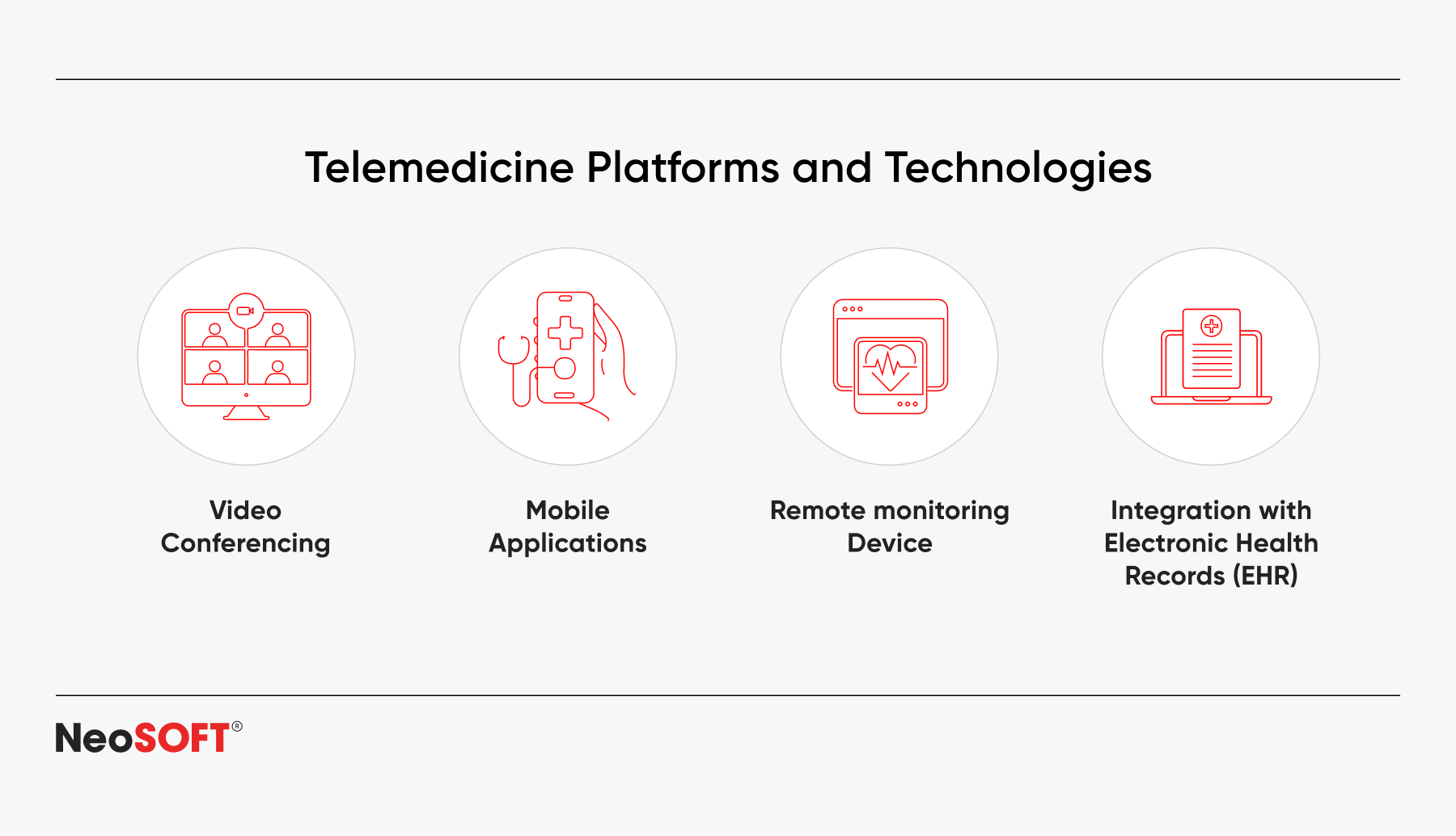
The rapidly expanding discipline of telemedicine has made it possible for people to consult with medical professionals from the convenience of their own homes. To handle and assess this patient data and provide doctors with useful insights, data analytics is necessary. When paired with internet monitoring devices, it lets medical professionals access patients’ latest medical records while they remain in their homes, which decreases hospital visits and enhances treatment accessibility, particularly in underprivileged areas.
IoT and Smart Wearable Devices
The rising popularity of smart wearable devices and IoT gadgets, including smartwatches and fitness trackers, is making it simpler to continuously gather real-time medical data. These devices track a person’s vital signs, levels of activity, and other relevant health information. This information, when analyzed, helps manage chronic conditions, facilitate early intervention, and provide important information for personalized medical care.
Blockchain
A transparent and secure method of sharing health information is beginning to emerge with blockchain technology. Blockchain addresses interoperability and security issues by utilizing decentralized and encrypted systems that permit easy exchange amongst patients, insurance organizations, and health care professionals while guaranteeing patient data protection and integrity.
AI-Powered Analytics
Early identification of diseases including cancer, heart issues, and neurological disorders is now possible thanks to the development of AI-powered predictive analytics. By analyzing large datasets, AI systems can identify patterns and warning indicators earlier than traditional methods, enabling preventative care and reducing the burden of diseases that appear later in life.
Conclusion
Companies can obtain deeper insights from clinical data, patient records, and operational measures by utilizing Big Data analytics in healthcare. This results in better outcomes overall, as a result of the customized treatment regimens, enhanced resource management, and greater patient health.
Whether through enhanced operational procedures, customized treatment, health information management or predictive analytics, big data is revolutionizing the provision of healthcare by making it more proactive and data-driven. Big Data-using companies will be more equipped to adapt to the ever-evolving requirements of the medical and healthcare industry as technology develops, enhancing both patient care and corporate efficiency.
Contact us at info@neosofttech.com now to find out more about how our healthcare IT solutions can help your firm utilize big data to its full potential. Allow us to assist you on your path to healthcare data analytics for improved care, increased operational effectiveness, and more informed decision-making.
We use cookies on our website to give you the most relevant experience by remembering your preferences and repeat visits. By clicking “Accept All”, you consent to the use of ALL the cookies. However, you may visit "Cookie Settings" to provide a controlled consent.
This website uses cookies to improve your experience while you navigate through the website. Out of these, the cookies that are categorized as necessary are stored on your browser as they are essential for the working of basic functionalities of the website. We also use third-party cookies that help us analyze and understand how you use this website. These cookies will be stored in your browser only with your consent. You also have the option to opt-out of these cookies. But opting out of some of these cookies may affect your browsing experience.
Necessary cookies are absolutely essential for the website to function properly. These cookies ensure basic functionalities and security features of the website, anonymously.
Cookie
Duration
Description
cookielawinfo-checkbox-analytics
11 months
This cookie is set by GDPR Cookie Consent plugin. The cookie is used to store the user consent for the cookies in the category "Analytics".
cookielawinfo-checkbox-functional
11 months
The cookie is set by GDPR cookie consent to record the user consent for the cookies in the category "Functional".
cookielawinfo-checkbox-necessary
11 months
This cookie is set by GDPR Cookie Consent plugin. The cookies is used to store the user consent for the cookies in the category "Necessary".
cookielawinfo-checkbox-others
11 months
This cookie is set by GDPR Cookie Consent plugin. The cookie is used to store the user consent for the cookies in the category "Other.
cookielawinfo-checkbox-performance
11 months
This cookie is set by GDPR Cookie Consent plugin. The cookie is used to store the user consent for the cookies in the category "Performance".
viewed_cookie_policy
11 months
The cookie is set by the GDPR Cookie Consent plugin and is used to store whether or not user has consented to the use of cookies. It does not store any personal data.
Functional cookies help to perform certain functionalities like sharing the content of the website on social media platforms, collect feedbacks, and other third-party features.
Performance cookies are used to understand and analyze the key performance indexes of the website which helps in delivering a better user experience for the visitors.
Analytical cookies are used to understand how visitors interact with the website. These cookies help provide information on metrics the number of visitors, bounce rate, traffic source, etc.
Advertisement cookies are used to provide visitors with relevant ads and marketing campaigns. These cookies track visitors across websites and collect information to provide customized ads.